
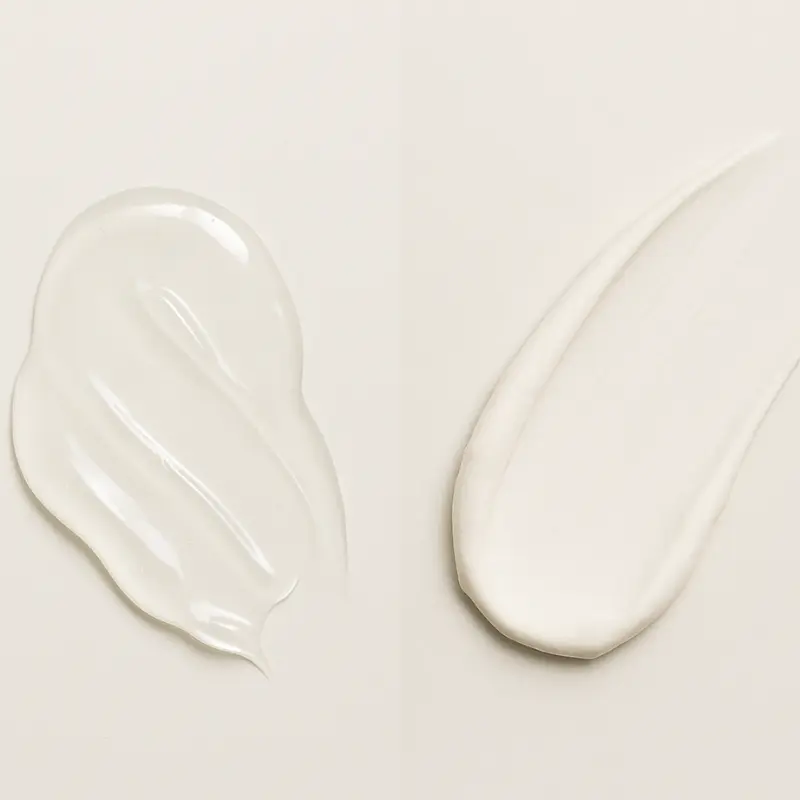
Skincare traditions develop differently across regions, shaped by climate, cultural habits, and expectations about how quickly results should appear. Western routines often rely on high-strength actives—retinoids, exfoliating acids, and concentrated vitamin C—to produce fast, visible change. Korean beauty takes a gentler path, emphasizing moisture balance, barrier resilience, and long-term clarity through consistent, low-irritation formulas. This guide breaks down the key differences in Korean skincare vs Western skincare to help readers understand how each approach shapes long-term skin health.
For those exploring hydration-centered routines, this breakdown may help:
https://getbeauty.net/hydrating-toners-dry-skin/
Layered Hydration in Korean Skincare vs. One-Note Western Actives
Many Western routines focus on a single “hero” ingredient: an AHA toner, a potent vitamin C serum, or a retinol cream intended to drive quick transformation. These formulas work, but they can trigger dryness or reactivity when pushed too hard.
Korean skincare favors step-by-step hydration—thin fluids, essences, and silky serums that build moisture gradually. This layered structure supports absorption and helps prevent irritation, allowing active ingredients to work more harmoniously.
A representative example is Sulwhasoo First Care Activating Serum VI, a pre-serum balancing treatment designed to refine texture and improve how the rest of your routine performs. Where a Western pre-serum may lean heavily on antioxidants, this alternative focuses on enhancing hydration and smoothing the complexion without relying on strong acids.
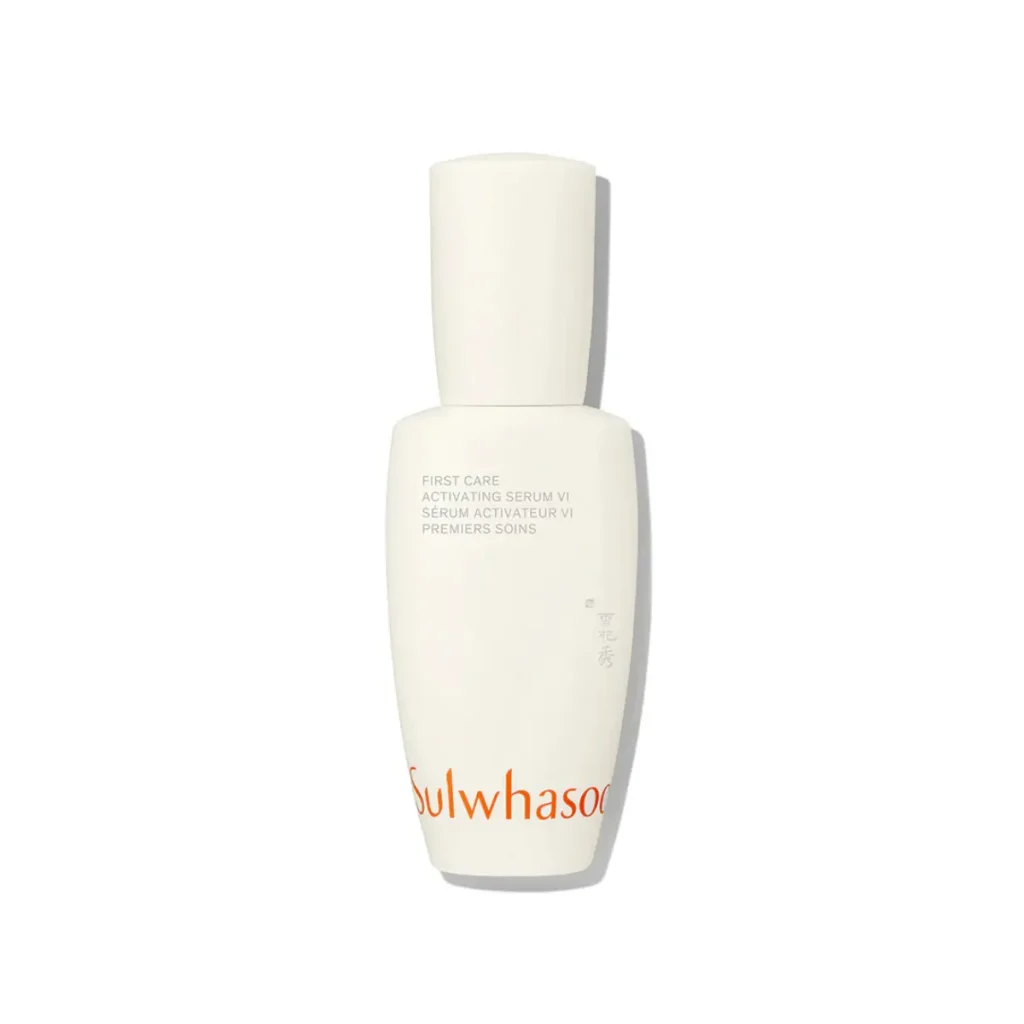
Sulwhasoo
First Care Activating Serum VI
For a closer look at brightening and texture-refining serums, this comparison may help:
https://getbeauty.net/best-korean-serums-for-glowing-skin-2025-update/
Barrier Health and pH Balance in K-Beauty vs. Western Skincare Approaches
Western exfoliants and resurfacing acids provide quick brightening and smoothing, but overuse can disrupt the skin barrier, leading to dryness or uneven texture.
Korean beauty prioritizes barrier health through pH-balanced formulas, ceramide-rich creams, and soothing botanicals that help stabilize the skin while still delivering improvements in tone and clarity.
Round Lab Mugwort Calming Toner is an example of how gentle formulations can soothe redness and minimize sensitivity. Its lightweight texture cools the skin, offering a softer alternative to harsh clarifying or exfoliating toners that rely heavily on acids.
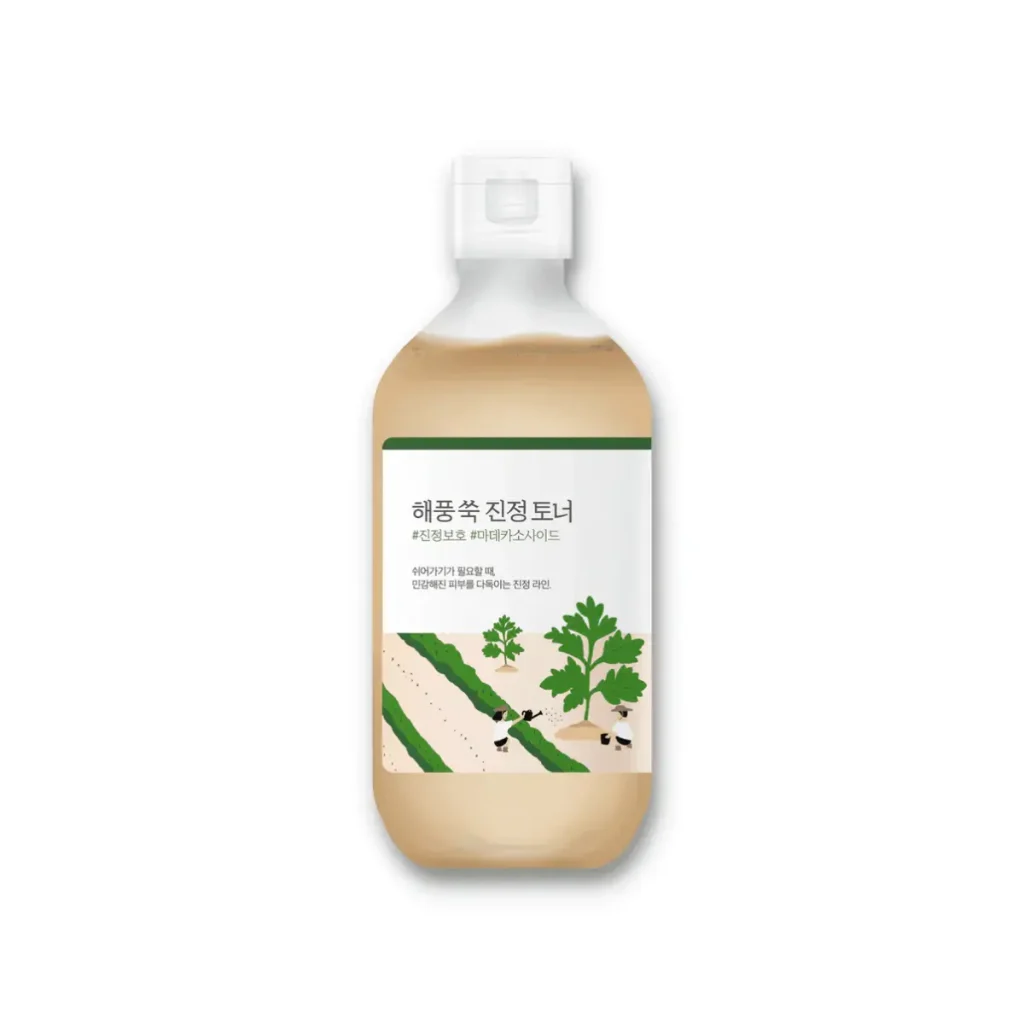
Round Lab
Mugwort Calming Toner
If you’re refining the early steps of your routine, this cleansing-oil guide offers additional context:
https://getbeauty.net/best-korean-cleansing-oils/
Ferments and Antioxidants vs. Retinoids and Strong Acids
Western anti-aging routines often depend on retinoids, potent exfoliating acids, or high-strength vitamin C serums. These ingredients can be effective but aren’t always compatible with sensitive or reactive skin.
Korean brands frequently rely on fermented ingredients and antioxidant grains to achieve similar results with less irritation. Fermentation breaks complex ingredients into more absorbable forms, creating smooth textures and gradual radiance without the harsh transition period.
HaruHaru Black Rice Hyaluronic Anti-Wrinkle Serum reflects this philosophy well. Using fermented black rice extract and hydrating complexes, it delivers antioxidant support without the dryness that can accompany retinol-based formulas.
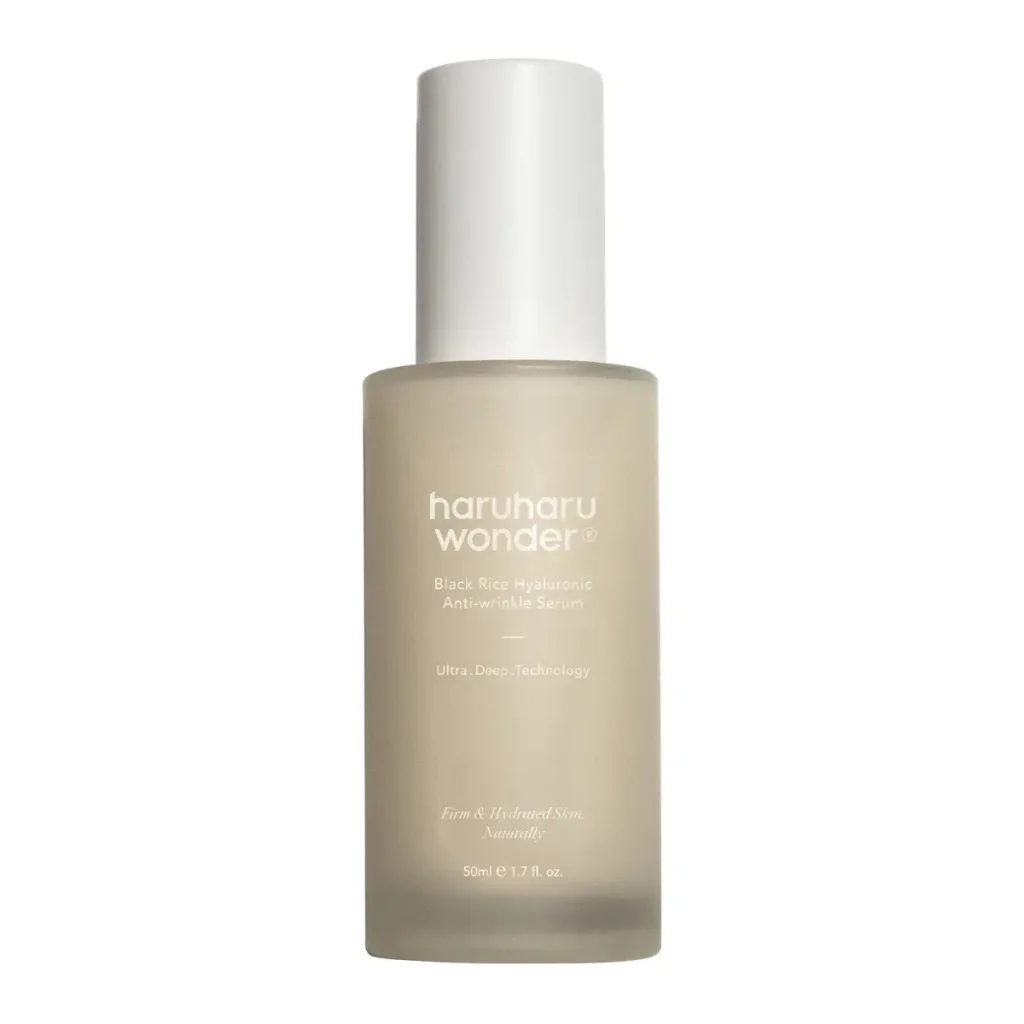
Haruharu Wonder
Black Rice Hyaluronic Anti-Wrinkle Serum
If you’re curious how gentler K-Beauty formulas—especially fermented serums—behave compared with stronger Western-style actives, this guide offers a deeper look:
https://getbeauty.net/korean-fermented-serums/
Dewy Radiance vs. Matte, Fast-Finishing Formulas
Western skincare often leans toward matte or oil-controlling finishes, especially for daily wear or makeup prep. Korean skincare tends to embrace a dewy, hydrated finish—a look that reflects healthy moisture rather than excess shine.
This difference highlights a deeper philosophy: while Western skincare often aims to minimize glow, Korean beauty treats radiance as a sign of balance and long-term health.
Illiyoon Ceramide Ato Concentrate Cream is built around this belief. Its lightweight but ceramide-rich texture strengthens the barrier and absorbs quickly without heaviness, offering a smoother alternative to thicker Western ceramide creams that can feel dense or occlusive.
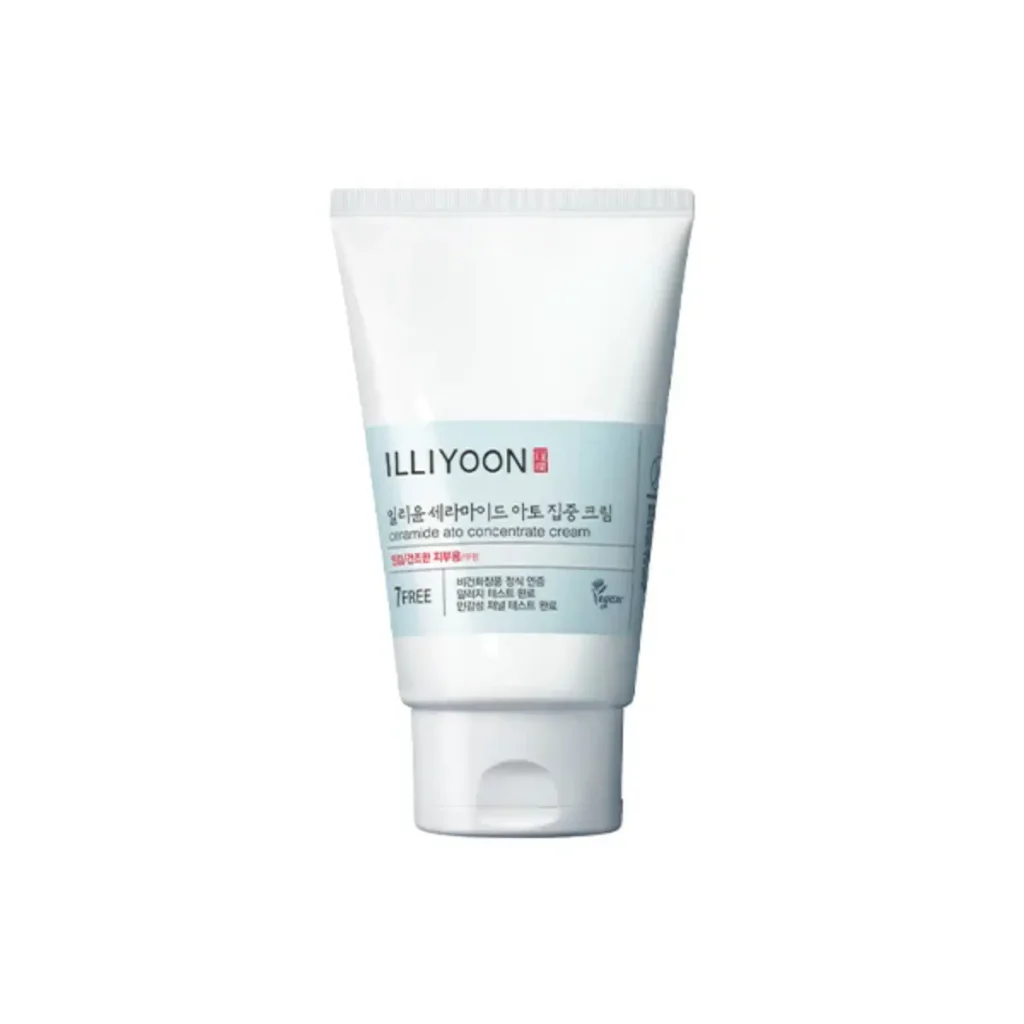
Illiyoon
Ceramide Ato Concentrate Cream
Choosing Korean Alternatives to Western Staples
- Pre-Serum Booster → Sulwhasoo First Care Activating Serum VI
- Calming Toner Alternative → Round Lab Mugwort Calming Toner
- Antioxidant / Hydrating Serum → HaruHaru Black Rice Hyaluronic Anti-Wrinkle Serum
- Lightweight Ceramide Barrier Cream → Illiyoon Ceramide Ato Concentrate Cream
These products deliver moisture-first benefits that can complement or replace Western actives, especially in routines that prioritize comfort and steady improvements over time.
Frequently Asked Questions
Do Korean alternatives work as effectively as Western actives?
They often can—especially for skin that reacts easily. Fermented ingredients and steady hydration can refine brightness and texture without the discomfort associated with strong acids or retinoids.
Can these Korean products be paired with retinol or exfoliating acids?
Typically yes. Their hydrating and calming profiles help buffer stronger actives when dryness or sensitivity becomes an issue.
Are these differences recognized across global beauty publications?
Several outlets, including Women’s Health UK, highlight how hydration-focused Korean routines support sensitive and combination skin types.
For a broader comparison of the two philosophies, Style Story Australia also provides an accessible breakdown.
Sources
- Women’s Health UK — https://www.womenshealthmag.com/uk/beauty/skin/a64387123/korean-skincare/
- Style Story Australia — Korean vs Western skincare comparison
- Official brand ingredient disclosures — Sulwhasoo, Round Lab, HaruHaru Wonder, Illiyoon
Author
Written by Hana Lee, a reviewer focused on ingredient-based analysis, real-use texture testing, and practical K-beauty routines for global readers.
Note
This article may include affiliate links. Purchases made through these links help support the site at no additional cost, and recommendations reflect personal testing and publicly available ingredient research.