
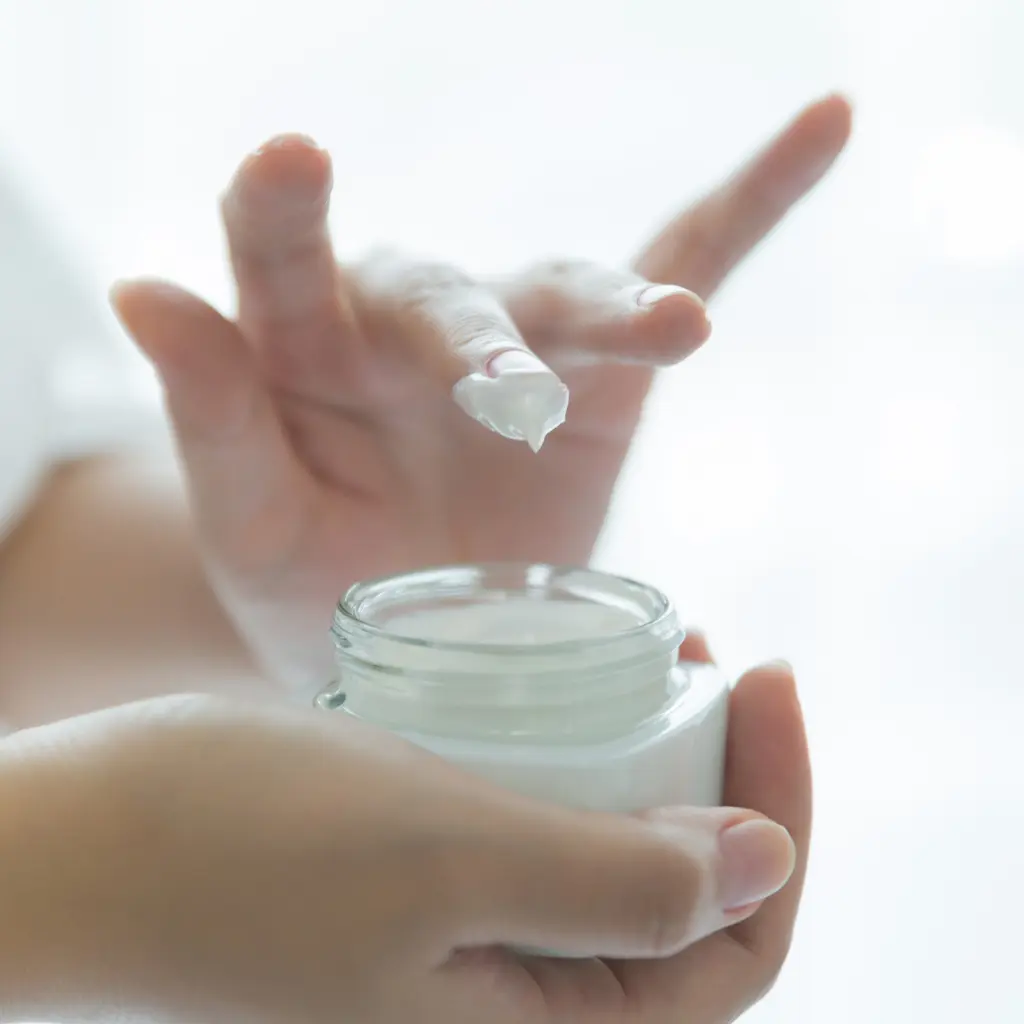
Sensitive skin isn’t always predictable. Some days it feels fine, and on others it reacts to products you’ve used for years without any issues. Redness, tightness, stinging, or sudden irritation are all common signs that your skin barrier may be under stress.
When that happens, piling on more active ingredients rarely helps. In fact, many people find that simplifying their routine and focusing on calming creams makes the biggest difference. These products aren’t about dramatic overnight results—they’re about restoring balance and helping skin feel comfortable again.
What “Sensitive Skin” Really Means
Sensitive skin isn’t a single skin type. It’s more of a condition that can affect dry, oily, combination, or acne-prone skin at different times.
Common triggers include:
- Over-exfoliation
- Harsh cleansers
- Weather changes
- Stress or lack of sleep
- Trying too many new products at once
When skin becomes sensitive, the barrier that protects it from external irritants weakens. This is where calming creams play an important role—not by masking symptoms, but by supporting the skin’s natural ability to recover.
Why Calming Creams Are Different From Regular Moisturizers
At first glance, calming creams may look like any other moisturizer. The difference is in what they prioritize.
Instead of focusing on brightening, exfoliation, or anti-aging claims, calming creams are typically formulated to:
- Reduce visible redness
- Minimize discomfort and tightness
- Support a compromised skin barrier
- Deliver hydration without overwhelming the skin
Many calming creams also avoid common irritants like strong fragrances or alcohols, making them easier to tolerate when skin is reactive.
When Your Skin Needs Calming, Not More Actives
One of the most common mistakes people make with sensitive skin is assuming they need stronger products. In reality, sensitivity often signals that skin needs less, not more.
If your skin feels:
- Warm or flushed after cleansing
- Stings when applying products
- Tight despite using moisturizer
That’s usually a sign to pause actives like exfoliating acids or retinoids and focus on calming, barrier-supporting care instead.
Used consistently, calming creams can help skin return to a more stable state, making it easier to reintroduce other products later—if needed.
How Calming Creams Fit Into a Routine
Calming creams work best as the final step in a routine, helping seal in hydration while protecting the skin barrier.
For readers interested in ingredient-focused calming options, especially those rooted in Korean skincare formulations, this guide on
Korean Centella Asiatica Creams
breaks down how centella-based creams are commonly used to soothe and support sensitive skin.
Even in a global skincare routine, the same principle applies: cleanse gently, hydrate lightly, and finish with a calming cream that keeps irritation in check.
Why Texture Matters for Sensitive Skin
Another reason calming creams are effective is their texture. Many are designed to feel comfortable on the skin—neither too heavy nor too light.
- Creams that are too rich can feel suffocating on reactive skin
- Gel formulas may not provide enough barrier support on their own
Well-balanced calming creams tend to sit somewhere in between, delivering hydration while allowing skin to breathe.
Choosing a texture that feels good on your skin is just as important as the ingredient list.
Final Thoughts
Calming creams may not be the most exciting products in a skincare routine, but they’re often the most important—especially for sensitive skin.
They help reset the skin when it feels overwhelmed, providing comfort and stability rather than instant transformation. Whether sensitivity is something you deal with occasionally or regularly, having a reliable calming cream in your routine can make a noticeable difference over time.
Healthy skin isn’t always about adding more steps. Sometimes, it’s about choosing the right one.
Sources
- Byrdie – The Best Moisturizers for Sensitive Skin
https://www.byrdie.com/best-moisturizers-sensitive-skin-11757743
Author
Written by Hana Lee, a skincare reviewer sharing experience-based insights and ingredient-focused guidance for global readers interested in gentle, effective skincare.
Disclosure
This post does not contain direct product sales links. Some internal links may lead to related articles that include affiliate content.