
Which One Matters More for Dry Skin?
If you have dry skin, you’ve probably asked yourself this question at least once:
Should I focus on hyaluronic acid, or do I need ceramides first?
Both ingredients are often labeled as “hydrating,” but they work in very different ways on the skin.
After years of rotating products built around each ingredient, I found that understanding this difference made a noticeable change in how stable my skin felt over time.
Rather than listing products, this article looks at what ceramides and hyaluronic acid actually do for dry skin, based on skin biology and real-world use.
Why Ceramides Matter for Dry Skin
Ceramides are lipids that make up a large part of the skin barrier.
If the outer layer of your skin were a brick wall, ceramides would be the mortar holding everything together.
Dry skin is often misunderstood as simply lacking water.
In reality, if your skin feels tight again shortly after moisturizing,
or becomes easily irritated after cleansing or seasonal changes,
the issue is often a weakened skin barrier, not just dehydration.
In these cases, ingredients that prevent moisture loss are more important than ingredients that only add water.
Product Example: Ceramide-Focused Creams
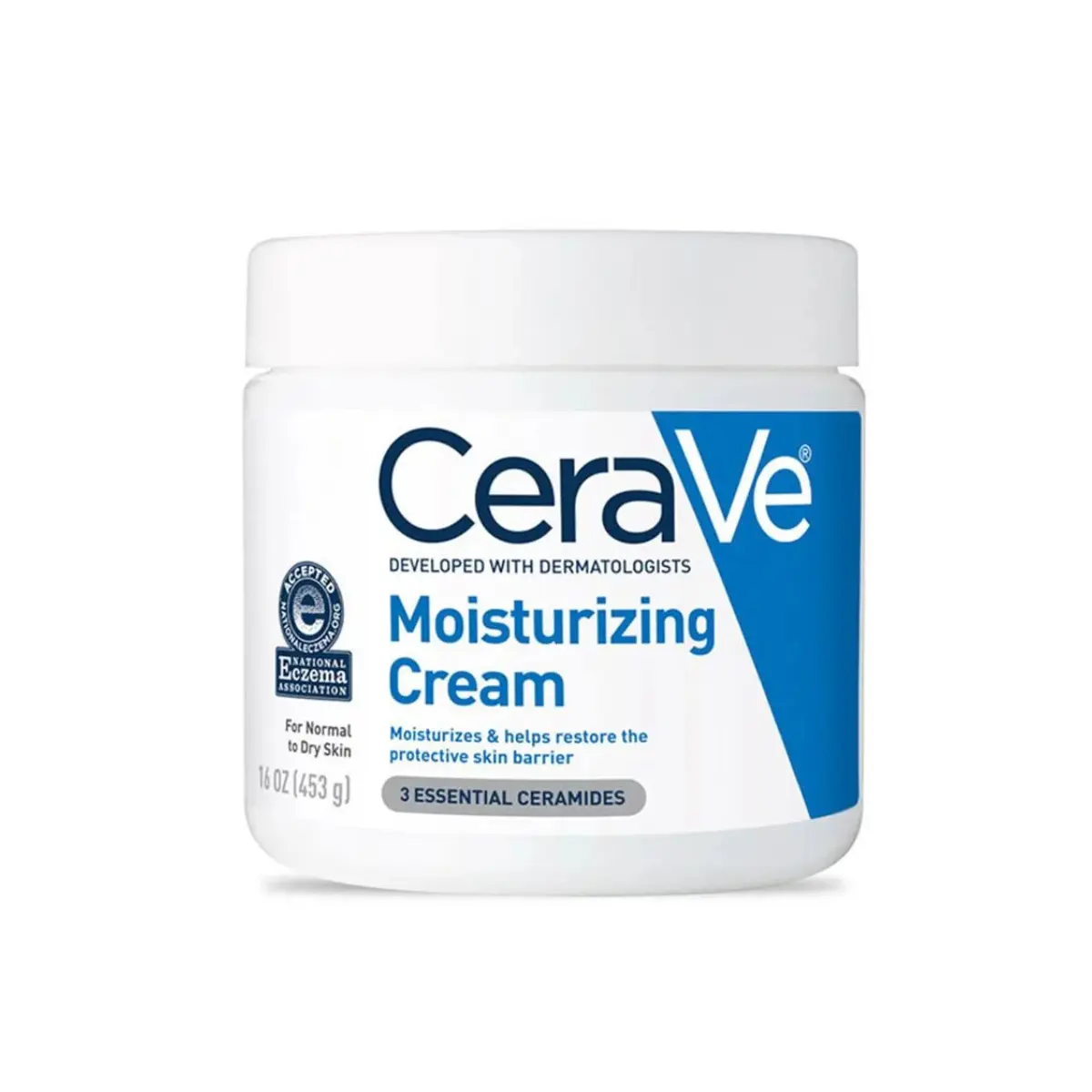
CeraVe is frequently referenced in the U.S. when discussing ceramides and barrier repair.
The brand is built around the idea of supporting the skin barrier, which makes it a clear example when explaining how ceramides function in dry skin care.
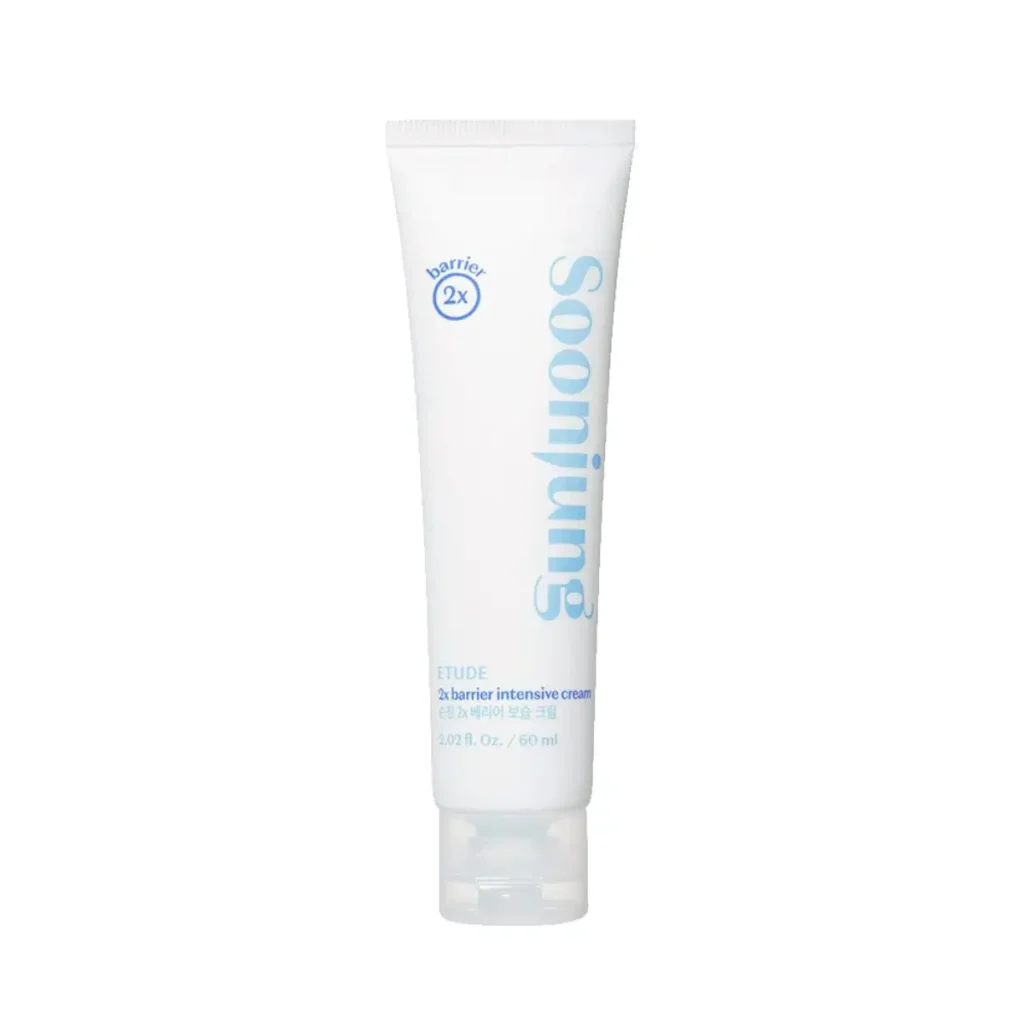
In Korean skincare, ceramides are often approached from a gentler, calming perspective.
Etude’s SoonJung line is a good example of how barrier support and skin comfort are prioritized together.
This barrier-first way of thinking is common in Korean routines designed for dry and sensitive skin.
Related reading:
Korean Skincare for Dry Skin (2025)
https://getbeauty.net/korean-skincare-for-dry-skin-2025/
What Hyaluronic Acid Does for Dry Skin
Hyaluronic acid is a humectant, meaning it attracts and holds water.
It can bind many times its weight in moisture, which is why skin often looks instantly plumper after using it.
For dry skin, hyaluronic acid is especially helpful when:
- the skin looks dull or dehydrated
- you want to boost moisture before applying a cream
However, it has clear limits when used alone.
If the skin barrier is compromised, the water attracted by hyaluronic acid can evaporate quickly, causing tightness to return.
Product Example: Hyaluronic Acid Serum
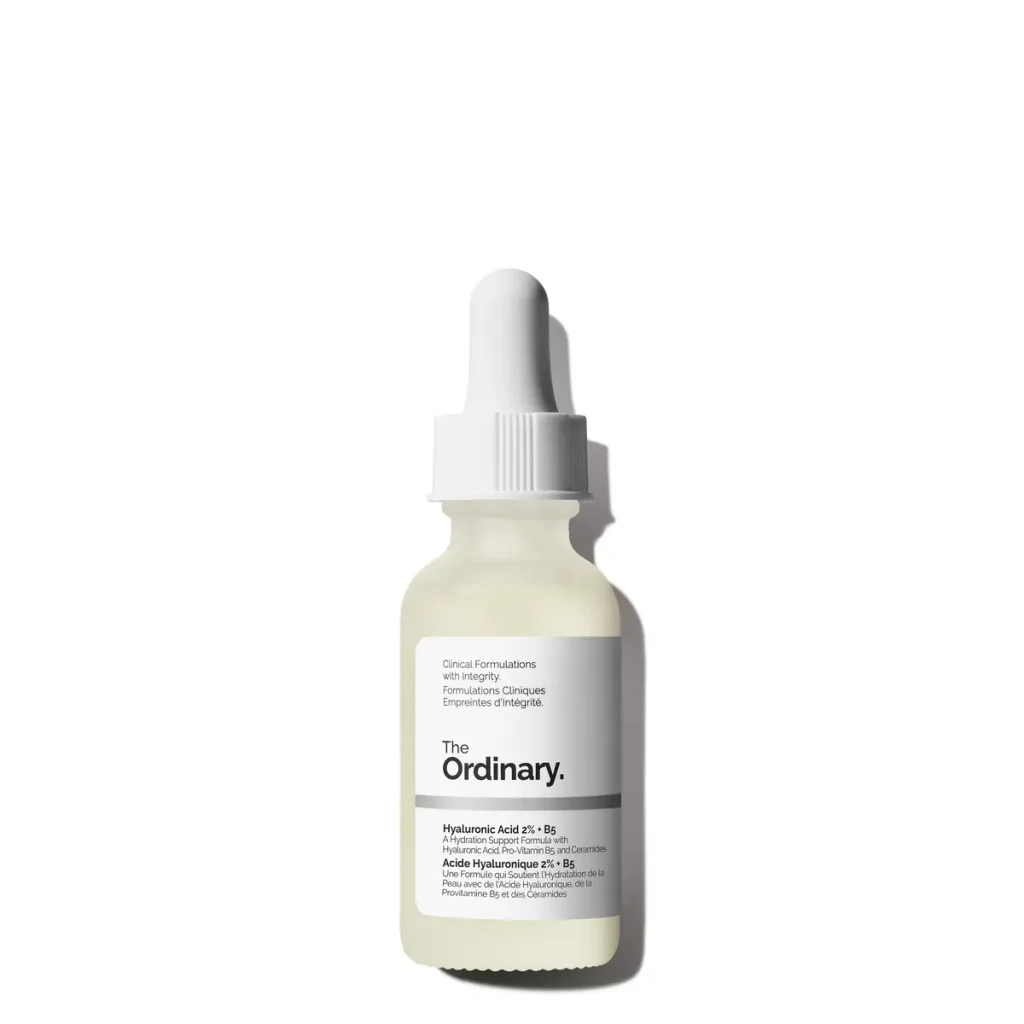
The Ordinary’s hyaluronic acid serum shows the role of this ingredient very clearly.
It delivers fast hydration, but on dry skin it works best when followed by a barrier-supporting moisturizer.
On its own, it adds water.
With the right cream layered on top, it becomes far more effective.
Ceramide vs Hyaluronic Acid at a Glance
| Ceramides | Hyaluronic Acid | |
|---|---|---|
| Main function | Strengthens the skin barrier | Attracts moisture |
| Effect on dry skin | Long-term stability | Immediate hydration |
| Works alone | Yes | Limited |
| Best used when | Skin feels dry and sensitive | Skin feels temporarily tight |
In simple terms:
- Ongoing dryness and sensitivity point to a ceramide need.
- Temporary tightness often benefits from added hydration.
- Most dry skin types benefit from both, but order matters.
How to Use Both Together
The most practical approach is straightforward:
First, apply a hydrating layer containing hyaluronic acid.
Then, seal that moisture in with a ceramide-rich cream.
This structure is common in Korean skincare routines and works especially well for dry skin that struggles to hold moisture.
So, Which One Is More Important?
From experience, ceramides made the bigger difference in stabilizing dry skin long term.
Hyaluronic acid is still useful, but it works best once the skin barrier is strong enough to retain moisture.
If products seem to stop working quickly or dryness never fully improves, the issue is often barrier-related rather than a lack of hydration.
Sources
- CeraVe – Ingredients in CeraVe
https://www.cerave.com/ingredients-in-cerave - The Ordinary – Hyaluronic Acid 2% + B5
https://theordinary.com/en-us/hyaluronic-acid-2-b5-serum-with-ceramides-100637.html - Etude Official Website
https://int.etude.com/
Written by Hana Lee
A K-Beauty reviewer sharing experience-based skincare insights for global readers.