
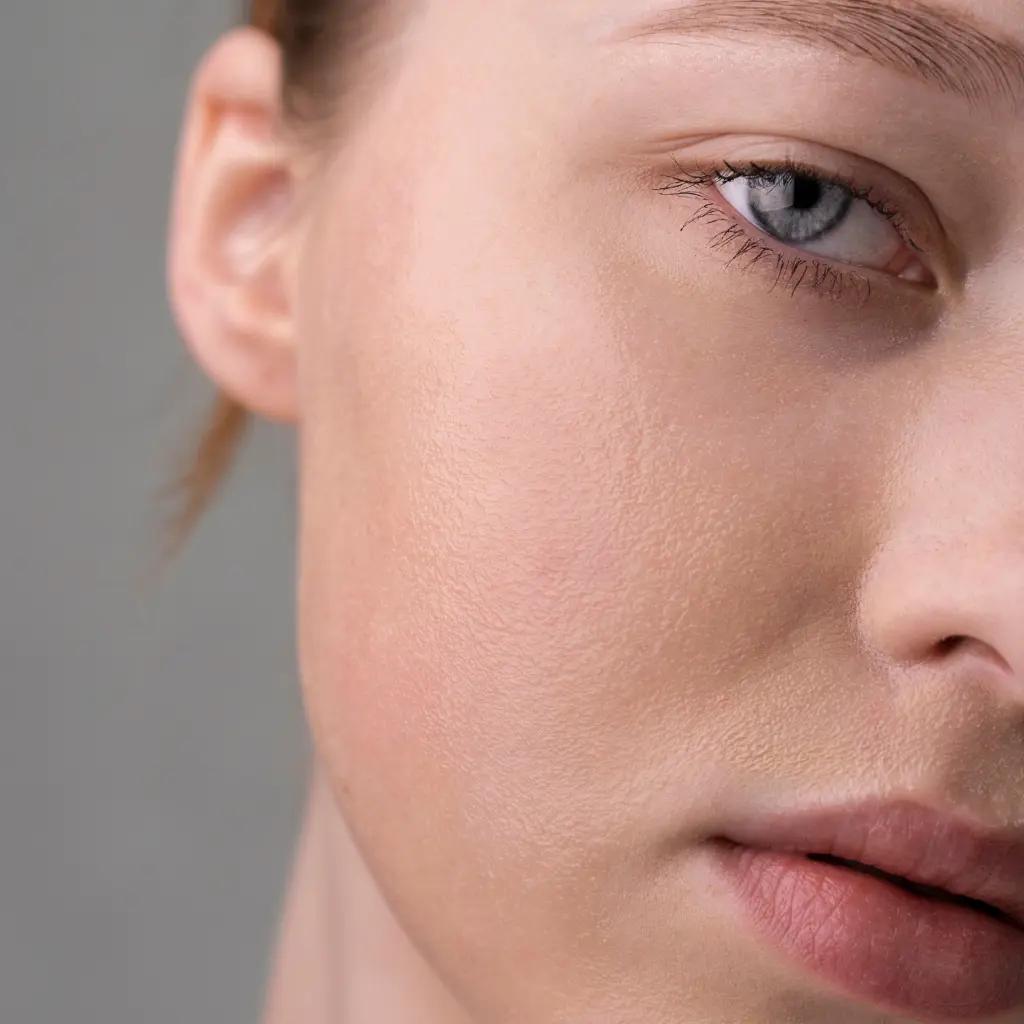
Applying moisturizer regularly doesn’t always guarantee comfortable, hydrated skin.
Many people still experience tightness or dryness even when they feel like they’re doing everything right.
In most cases, the issue isn’t about using too little product.
It’s about how hydration and protection are working together—or not working at all.
Hydration and Moisture Retention Are Not the Same
Hydration refers to adding water to the skin.
Moisture retention is about keeping that water from evaporating.
Products that focus only on hydration can make skin feel temporarily plump, but without a protective layer, that effect fades quickly. This is often why skin feels soft right after application, then dry again within an hour.
When the Skin Barrier Is Compromised
A weakened skin barrier makes it difficult for the skin to hold onto moisture, no matter how many layers are applied.
Over-cleansing, frequent exfoliation, and harsh surfactants can gradually reduce the skin’s ability to protect itself. When this happens, even well-formulated moisturizers may feel ineffective.
Dryness in this case isn’t about the product—it’s about the skin’s condition.
Layering Without Structure
Another common issue is relying on lightweight hydration alone.
Gel textures and watery formulas are effective at delivering moisture, but they don’t always provide enough protection to prevent water loss.
Without a sealing step, hydration escapes as easily as it’s applied.
Hydration Example: Neutrogena Hydro Boost Gel Cream
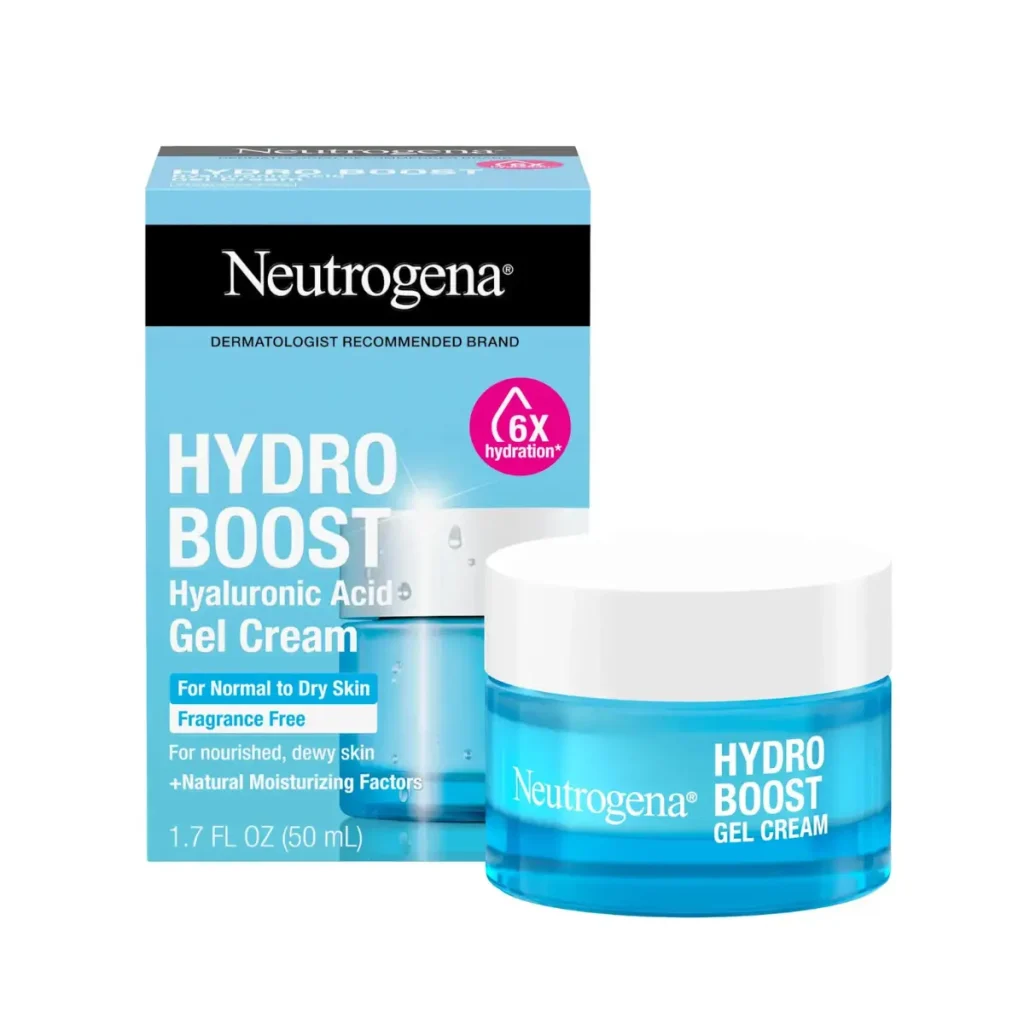
Neutrogena Hydro Boost Gel Cream is a well-known example of a hydration-focused formula.
Its lightweight texture absorbs quickly and delivers immediate moisture to the skin.
For many people, it works well as the first step in a moisturizing routine. However, on its own, it may not fully address persistent dryness—especially in drier climates or during colder months.
Sealing Example: Aquaphor Healing Ointment
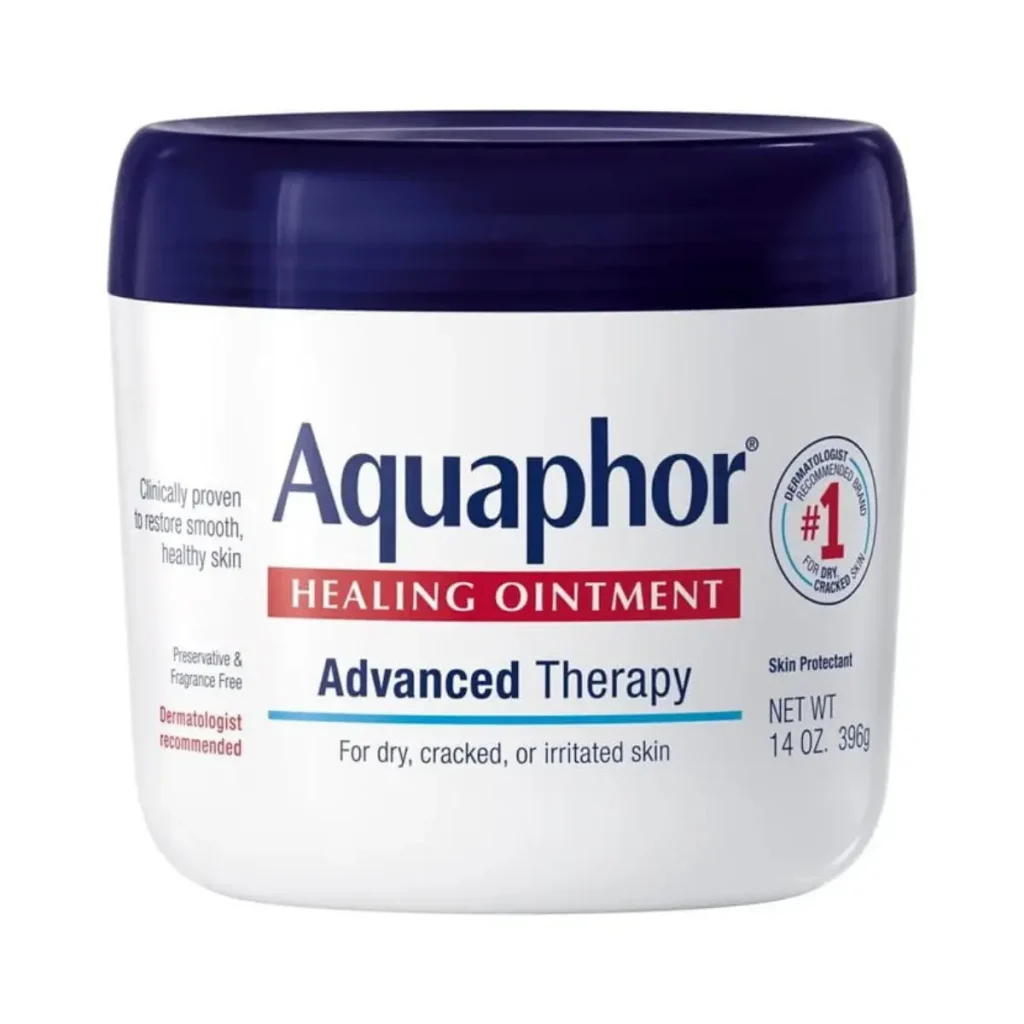
Aquaphor Healing Ointment serves a very different purpose.
Rather than adding moisture, it helps prevent existing hydration from escaping by forming a protective layer over the skin.
Used sparingly, it can be especially effective at night or on areas that tend to lose moisture quickly.
How These Steps Work Together
When skin feels dry despite regular moisturizing, the solution is often structural rather than product-specific.
Hydration should come first, followed by a layer that helps retain that moisture. This combination supports skin comfort more effectively than layering multiple hydrating products alone.
A Broader Routine Perspective
Dryness is rarely solved by a single product.
A balanced routine—covering cleansing, hydration, and barrier support—often makes a noticeable difference over time.
A dry-skin–focused routine that breaks down these steps in more detail can be found here:
Korean Skincare for Dry Skin (2025)
https://getbeauty.net/korean-skincare-for-dry-skin-2025/
Final Thoughts
When moisturizing doesn’t seem to work, adding more product isn’t always the answer.
Understanding how hydration, barrier health, and moisture retention interact is often the key to resolving ongoing dryness.
With the right structure, skin can maintain hydration more comfortably and consistently.
Written by Hana Lee
A K-Beauty reviewer sharing practical skincare insights for global readers, with a focus on hydration, barrier care, and long-term skin balance.