
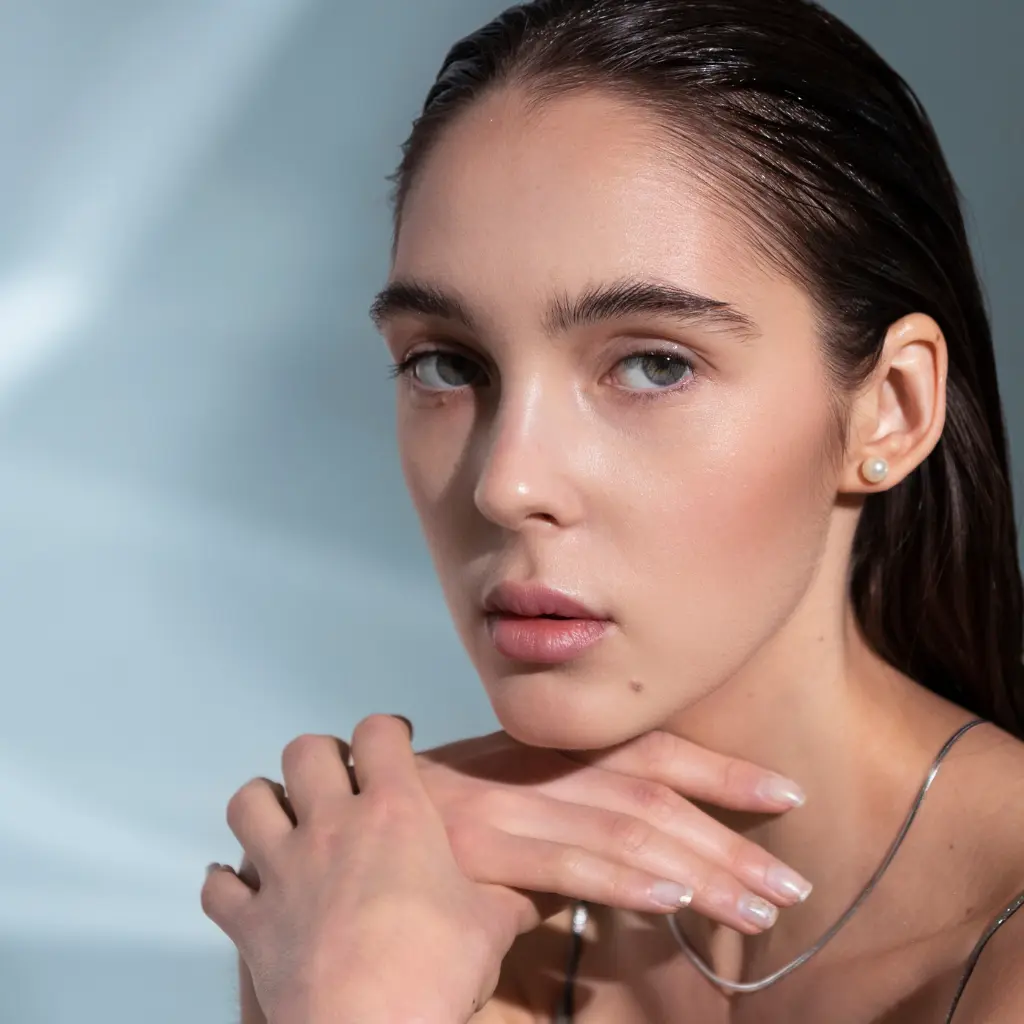
There’s a familiar moment many makeup wearers experience: you check the mirror, everything looks soft and natural—and yet, something feels off. The makeup hasn’t creased or faded, but it suddenly feels heavy, distracting, or slightly uncomfortable on the skin.
This sensation isn’t about how much makeup you’re wearing.
And it’s not always about coverage, finish, or technique either.
In most cases, the “heavy” feeling comes from how makeup behaves on skin over time.
It’s Not About How Natural It Looks
Some of the most uncomfortable makeup looks are the ones that appear the most effortless.
A sheer base, soft blush, or barely-there glow can still feel noticeably present on the skin, even when nothing looks wrong visually. That’s because visual lightness and physical comfort aren’t the same thing.
Makeup can look weightless while still:
- Sitting on the skin instead of settling into it
- Moving slightly with facial expressions
- Remaining perceptible hours after application
What you see in the mirror doesn’t always reflect what your skin is sensing.
Where the Heavy Feeling Actually Comes From
That uncomfortable feeling usually comes from a combination of subtle factors rather than one obvious mistake.
Residue That Never Fully Disappears
Some formulas don’t truly “set.” They remain flexible on the skin, which can feel fine at first but becomes noticeable as the day goes on.
Movement and Friction
Areas of the face that move frequently—or come into contact with hair, hands, or clothing—tend to amplify that heavy sensation, even with lightweight makeup.
Skin Changes Throughout the Day
Oil production, dryness, temperature, and humidity all affect how makeup feels over time. A product that felt fine in the morning may feel completely different by midday.
The key detail is this: comfort changes as conditions change, even when appearance doesn’t.
Why This Happens More With “Natural” Makeup
Natural-looking makeup often relies on close skin contact. The goal is to look seamless, which usually means formulas are designed to adhere more tightly and blend invisibly.
That closeness can make any lingering texture more noticeable.
When makeup is bold or clearly defined, your brain expects to feel it.
When makeup is subtle and invisible, feeling it at all can be more distracting.
This is why “natural” makeup can sometimes feel heavier than expected.
Comfort Is Often About Placement, Not Product
Many people try to solve discomfort by switching products, when the bigger difference comes from where makeup is applied.
Certain areas of the face tolerate texture better than others. Some zones move constantly, while others remain relatively still throughout the day.
If you want a practical breakdown of how placement affects comfort, this related guide focuses specifically on where makeup tends to feel best—and where it doesn’t:
https://getbeauty.net/where-to-apply-jelly-makeup/
Understanding placement can reduce discomfort without changing anything in your routine.
Rethinking “Lightweight” Makeup
Lightweight doesn’t always mean comfortable.
Comfort often comes from makeup that:
- Stops drawing attention to itself
- Feels settled rather than flexible
- Fades quietly instead of lingering
When makeup feels comfortable, you stop noticing it—and that’s usually the goal.
The Takeaway
Makeup that feels heavy isn’t always applied incorrectly, and it isn’t necessarily the wrong formula. In many cases, it’s simply responding to movement, skin changes, and time.
Once you start paying attention to how makeup feels, not just how it looks, your choices become more intuitive—and far less frustrating.
Written by Hana Lee — A beauty reviewer exploring K-beauty and global beauty through makeup, skincare, fragrance, fashion, and how they come together in real-life settings.