
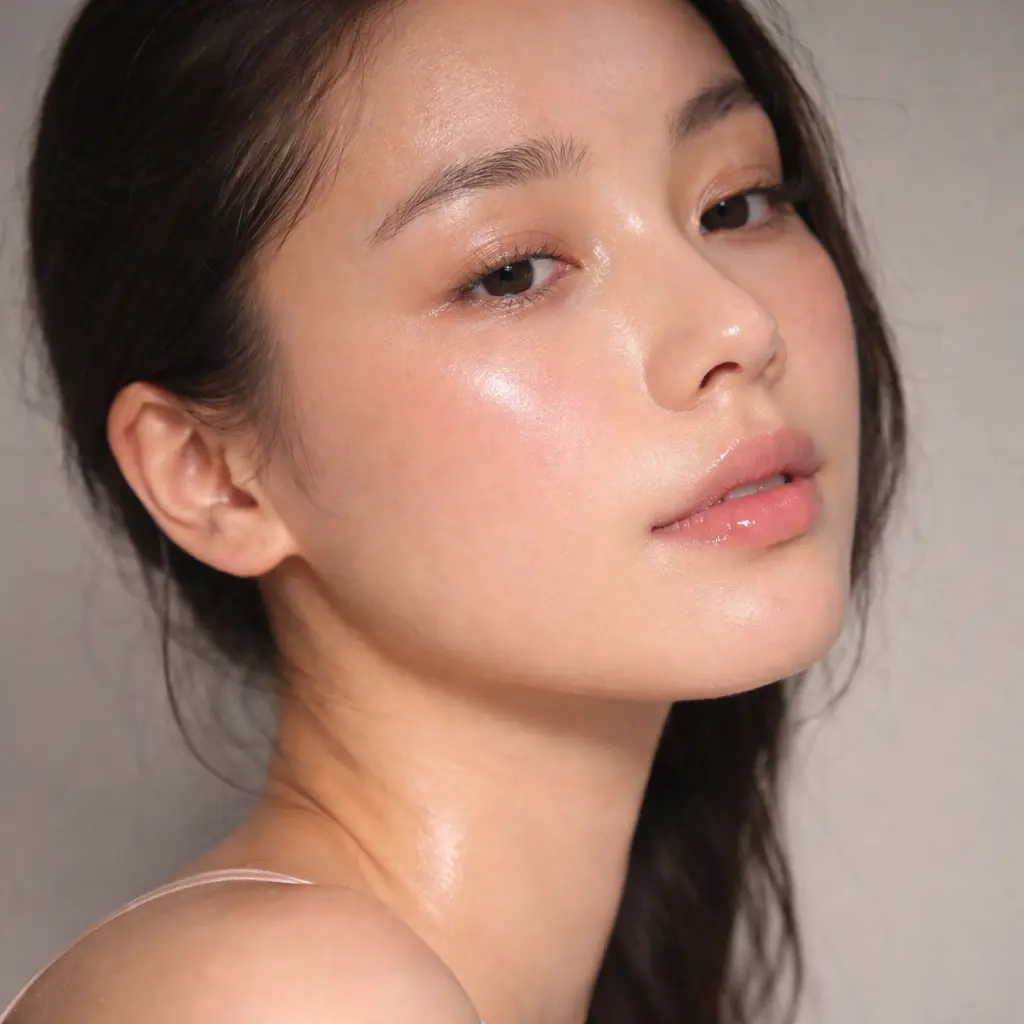
Choosing the right jelly makeup texture can feel surprisingly tricky once you start wearing it in real life.
It looks fresh, hydrated, and effortlessly glowy—especially in photos. But in real life, many people notice something else almost immediately: stickiness, transfer, and that uncomfortable feeling that never quite settles.
The problem isn’t jelly makeup itself.
It’s how certain jelly textures behave under everyday conditions.
I previously broke down why jelly makeup often looks better on camera than it feels in real life, and what actually causes that gap between appearance and comfort:
https://getbeauty.net/jelly-makeup-trend-2026/
This post is the next step.
Instead of revisiting the explanation, we’ll focus on how to choose jelly-style products that feel lighter, cleaner, and more wearable in real life—without giving up that glassy finish.
When Jelly Makeup Starts to Feel Uncomfortable
Most complaints about jelly makeup come from very specific situations:
- Long hours indoors, where makeup doesn’t get a chance to settle naturally
- Frequent contact with masks, scarves, or hair
- Layering jelly textures over already dewy base makeup
- Naturally oily or combination skin paired with highly elastic formulas
In these conditions, ultra-flexible jelly textures tend to stay mobile.
They look luminous, but they never quite feel “done.”
That’s why the solution isn’t about using less product or changing application techniques.
It’s about choosing the right type of jelly-adjacent formula.
The 4 Criteria That Make Jelly Makeup Feel Lighter
Rather than thinking in terms of shades or trends, it helps to evaluate jelly-style products by how they behave on skin.
1. Fast Surface Set
Products that look glossy at first but settle within seconds tend to feel far less sticky throughout the day.
2. Water-Based, Not Oil-Heavy
Hydration doesn’t need to come from oils. Lighter, water-based formulas usually feel cleaner once applied.
3. Pigment Efficiency
Formulas that deliver color with a thin layer reduce overapplication, which is often where discomfort begins.
4. Base Compatibility
Jelly textures that sit well over foundation or skin tints without sliding are much easier to wear daily.
The products below are not shade recommendations.
They are examples of different jelly-adjacent textures that meet these criteria.
Jelly-Style Products That Feel Less Sticky in Real Life
Milk Makeup – Cooling Water Jelly Tint
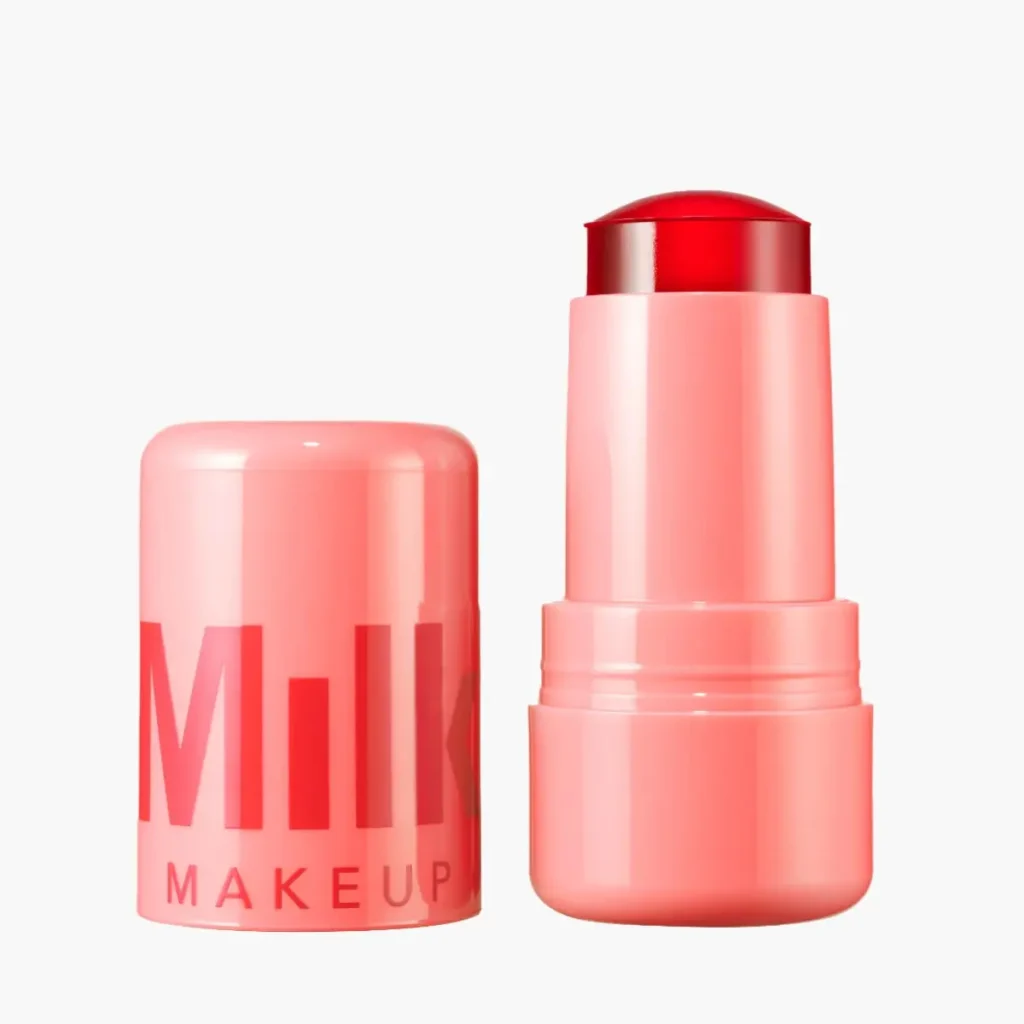
This is a true jelly texture, but it sets surprisingly quickly on the skin.
The formula feels cooling at first, then settles into a sheer, flexible layer that doesn’t cling or migrate as much as traditional jelly products.
Best for:
Anyone who still wants an unmistakable jelly feel, but with less surface residue.
e.l.f. – Putty Blush
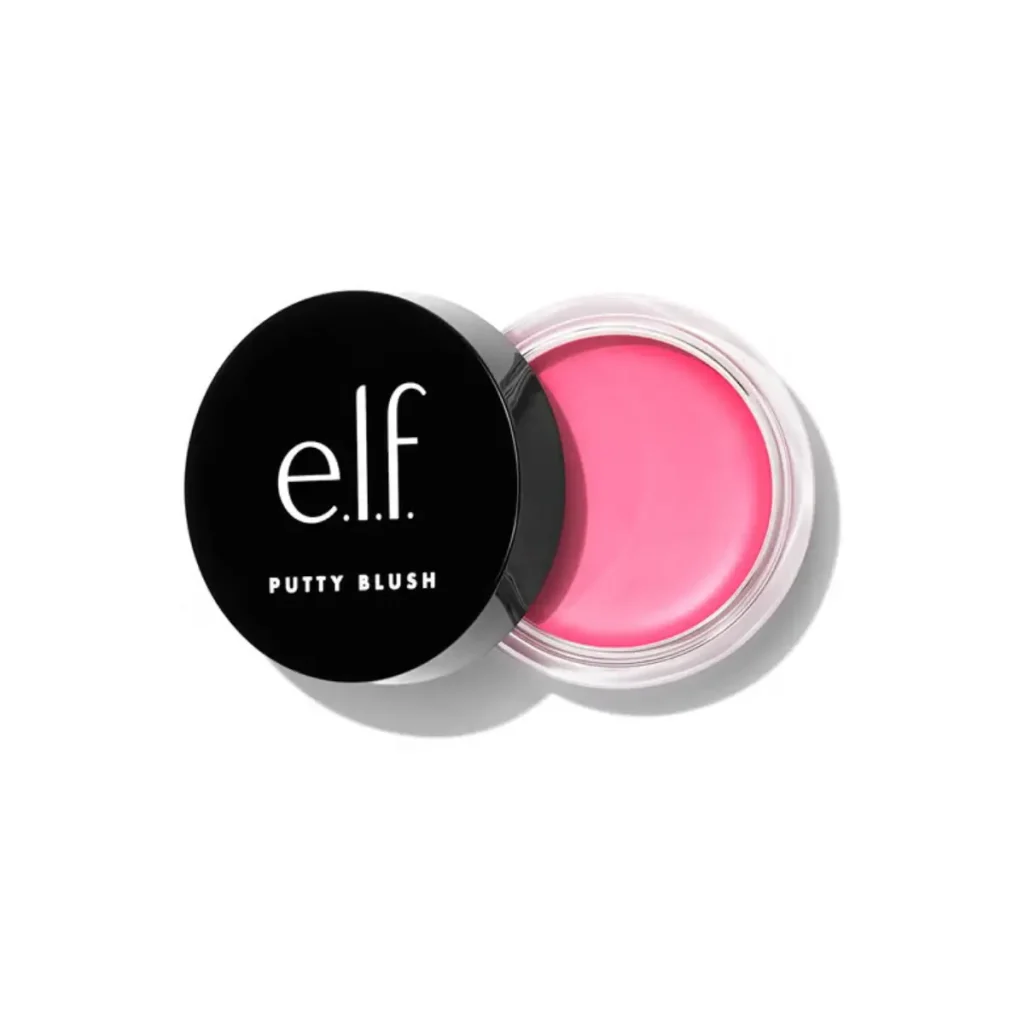
This formula sits between a jelly and a cream.
It blends easily, feels lightweight, and becomes noticeably more stable once set. While it doesn’t have the bounce of a pure jelly texture, it delivers a similar skin-like finish with far less tackiness.
Best for:
Everyday indoor wear where comfort matters more than maximum shine.
Rare Beauty – Soft Pinch Liquid Blush
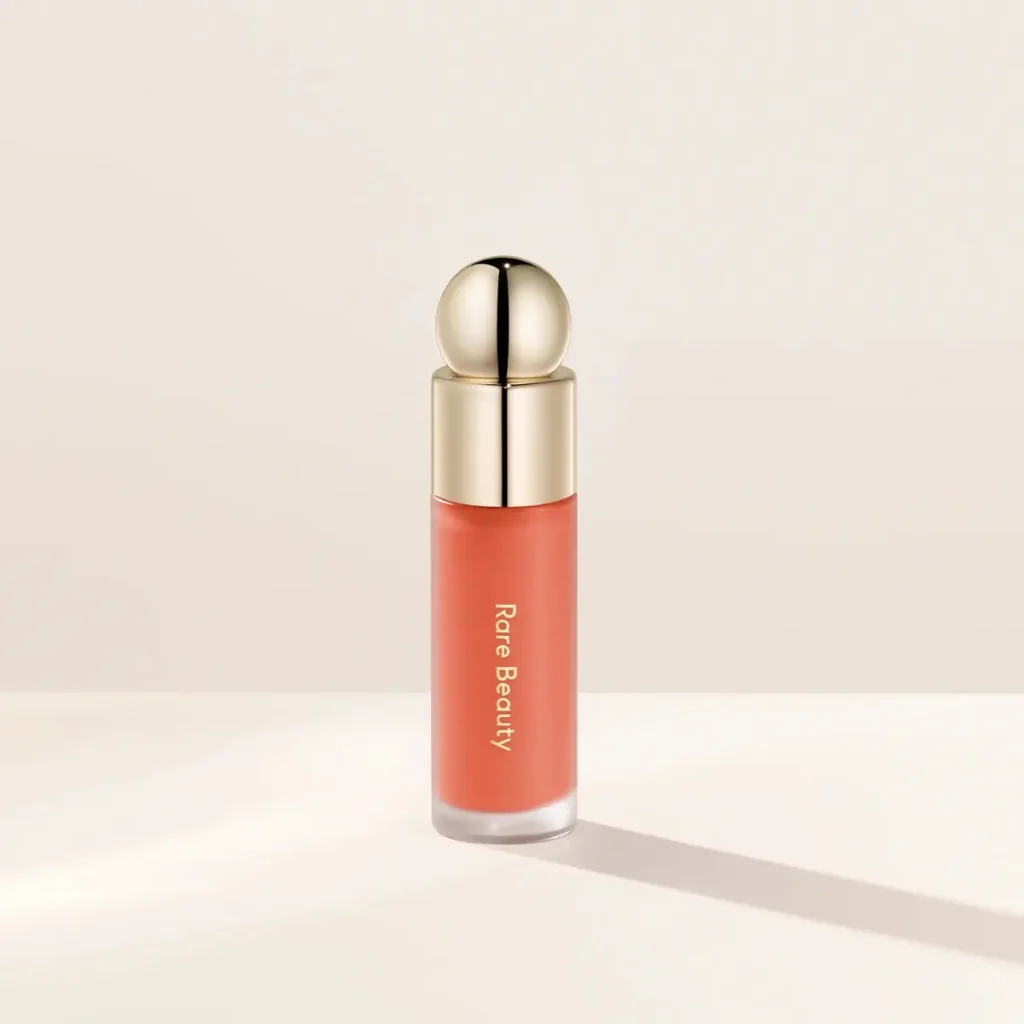
This isn’t marketed as jelly makeup, but functionally it behaves like a high-performance alternative.
It sets quickly, resists movement, and avoids the lingering stickiness that some jelly formulas struggle with.
Best for:
Those who love a dewy look but want minimal transfer and long wear.
Fenty Beauty – Cheeks Out Cream Blush
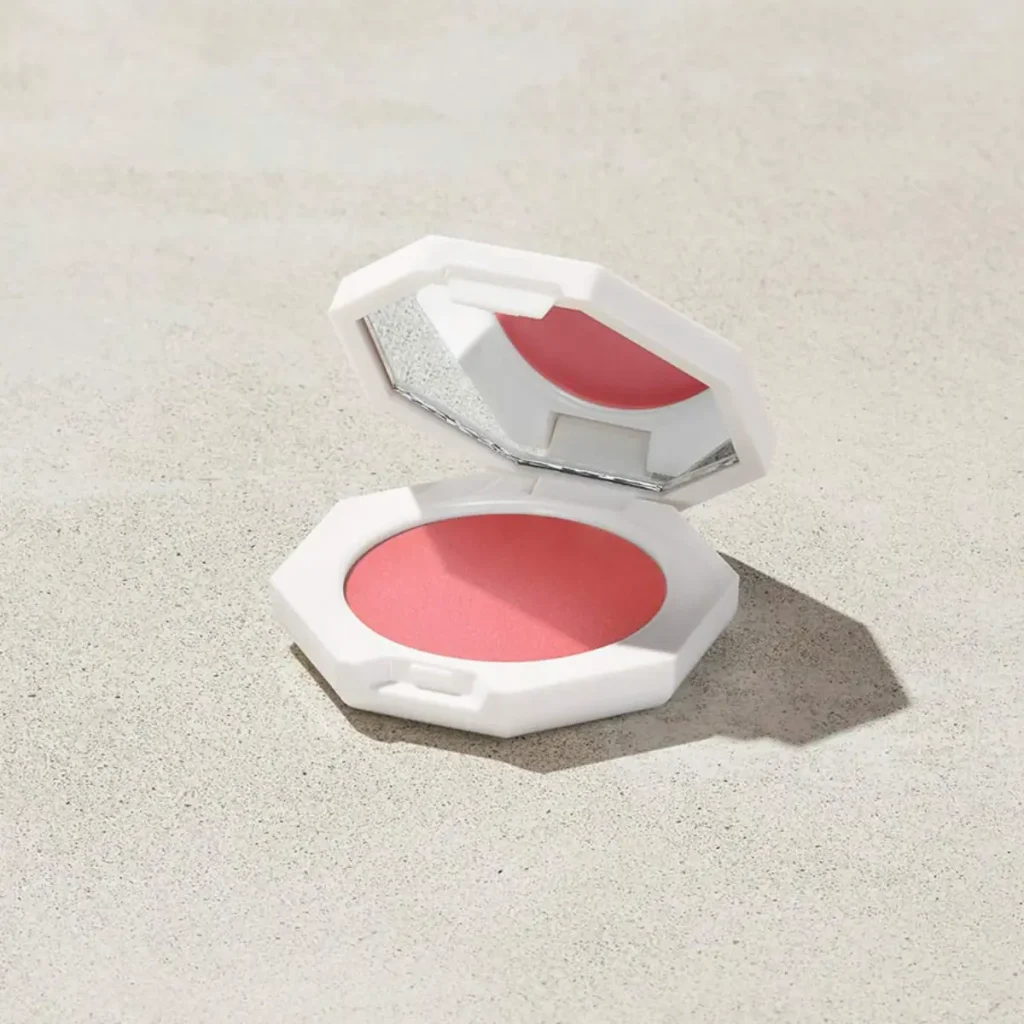
Cream blushes like this often work better than jelly textures for daily wear.
They provide hydration and glow, but with a more controlled, skin-adhering finish.
Best for:
Anyone who likes the idea of jelly makeup but prefers a softer, more predictable feel.
The Takeaway
Jelly makeup doesn’t need to be uncomfortable to look good.
Once you stop chasing texture trends and start paying attention to how formulas actually behave on skin, the glassy look becomes much easier to live with.
The goal isn’t to avoid jelly makeup altogether.
It’s to choose versions that work with real-life conditions, not against them.
Sources
– Allure, Glass Skin trend coverage
https://www.allure.com/topic/glass-skin
Written by Hana Lee — A beauty reviewer exploring K-beauty and global beauty through makeup, skincare, fragrance, fashion, and how they come together in real-life settings.
Disclosure: This post contains affiliate links.