
Makeup products that look natural in indoor lighting are never experienced in isolation.
They’re shaped by lighting, distance, and movement—factors that quietly decide whether a product looks seamless or distracting in real life.
This guide focuses on makeup products that look natural in indoor lighting, where most everyday makeup is actually seen.
Most everyday makeup isn’t viewed in daylight or under professional lighting. It’s seen indoors, at close range, in mirrors, offices, elevators, and restaurants. When products are chosen without considering that environment, even well-applied makeup can feel heavier or more obvious than expected.
That’s why choosing makeup for indoor settings isn’t about finding “better” products—it’s about choosing ones that behave well where most life actually happens.
This perspective builds on an earlier discussion about why makeup designed for cameras often fails to translate off-screen. If you want the broader context behind that shift, it’s explored here:
https://getbeauty.net/celebrity-makeup-on-screen/
Why Indoor Lighting Changes the Way Makeup Appears
Indoor lighting doesn’t soften the face—it exposes it.
Overhead fixtures, mixed color temperatures, and uneven shadows highlight texture and amplify shine in ways cameras usually flatten or hide. Under these conditions, products that rely on reflectivity or dense coverage become more noticeable, not more polished.
This contrast becomes clearer when looking at makeup created for softer lighting environments. In K-dramas, for example, makeup is intentionally calibrated for gentle illumination and close framing, which smooths transitions and minimizes visible texture on screen. When that same approach is worn under everyday indoor lights, the balance often shifts.
That difference is explained in more detail here:
https://getbeauty.net/k-drama-makeup-soft-lighting/
Understanding how lighting reshapes makeup isn’t about rejecting screen aesthetics. It’s about recognizing that the environment changes the rules, and makeup has to adapt to those conditions to feel natural in real life.
What Actually Matters in Indoor-Friendly Makeup
When makeup is seen up close and under indoor lighting, subtle performance details matter more than visual impact.
Three factors tend to make the biggest difference:
Texture
Products that melt into the skin and move naturally tend to age better throughout the day. Heavy layers or high reflectivity draw attention under overhead lighting.
Finish
Extremes—very matte or very glossy—are harder to control indoors. Balanced finishes adjust more gracefully as lighting shifts.
Color restraint
Indoor lighting amplifies contrast. Softer pigmentation often reads more natural at conversational distance than bold saturation.
When these elements work together, makeup stops announcing itself. Instead, it supports the face quietly—something that becomes especially noticeable once you step away from camera-driven standards. Choosing makeup products that look natural in indoor lighting often comes down to texture and finish rather than coverage alone.
Products That Stay Natural Under Indoor Lighting
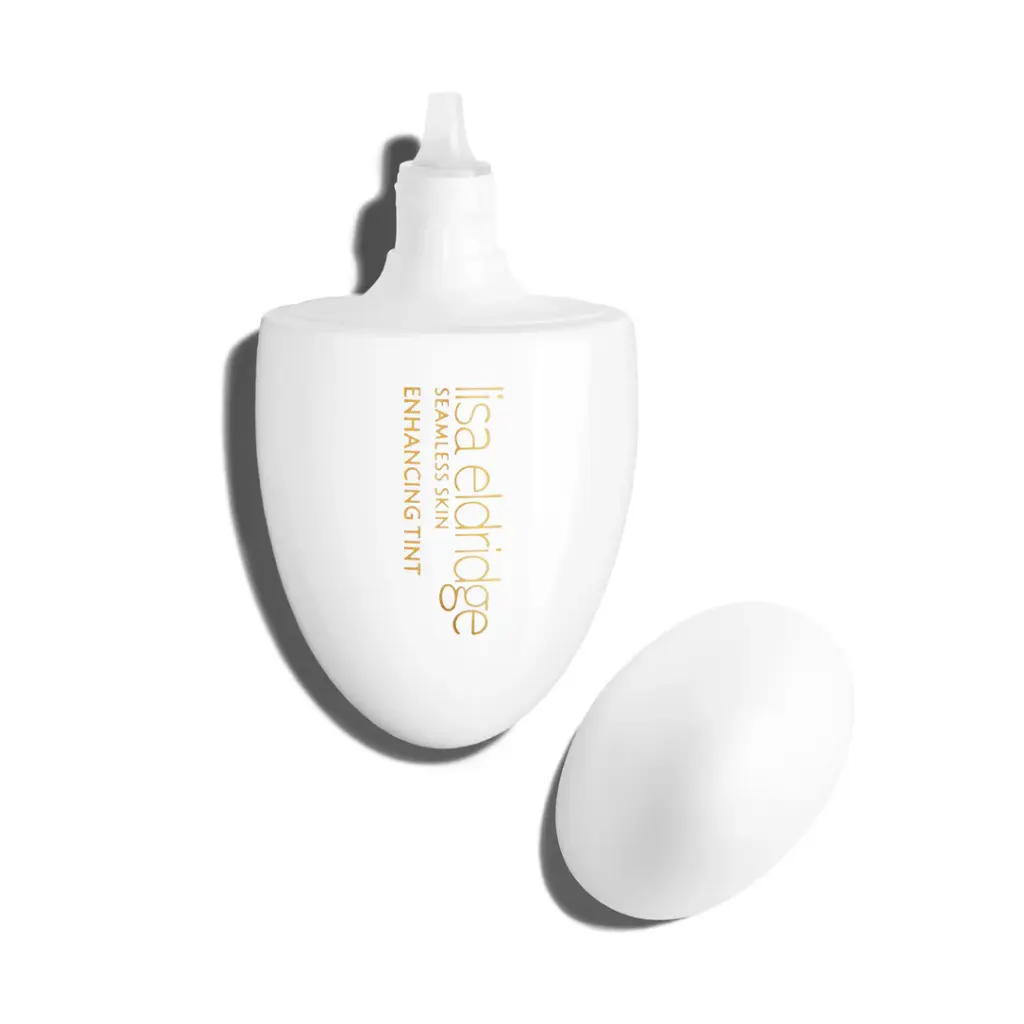
Lisa Eldridge Seamless Skin Enhancing Tint
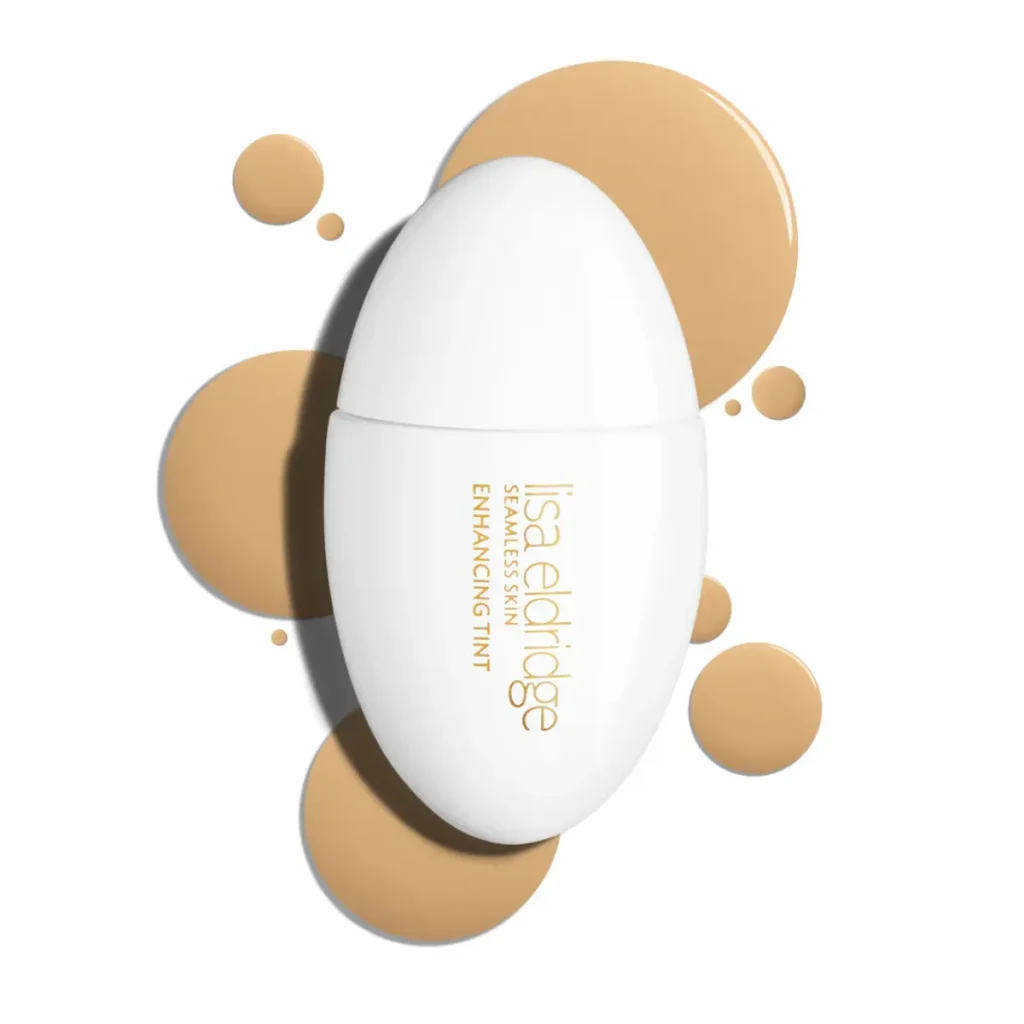
Image courtesy of Lisa Eldridge.
This tint focuses on evening the complexion without creating a visible layer on the skin. Instead of relying on coverage or glow, it smooths tone in a way that stays consistent under indoor lighting.
For reference, the product image shown uses a light–medium shade (T6). Shade selection should always be adjusted based on individual undertones and the lighting conditions you’re most often in.
Rare Beauty Soft Pinch Liquid Blush
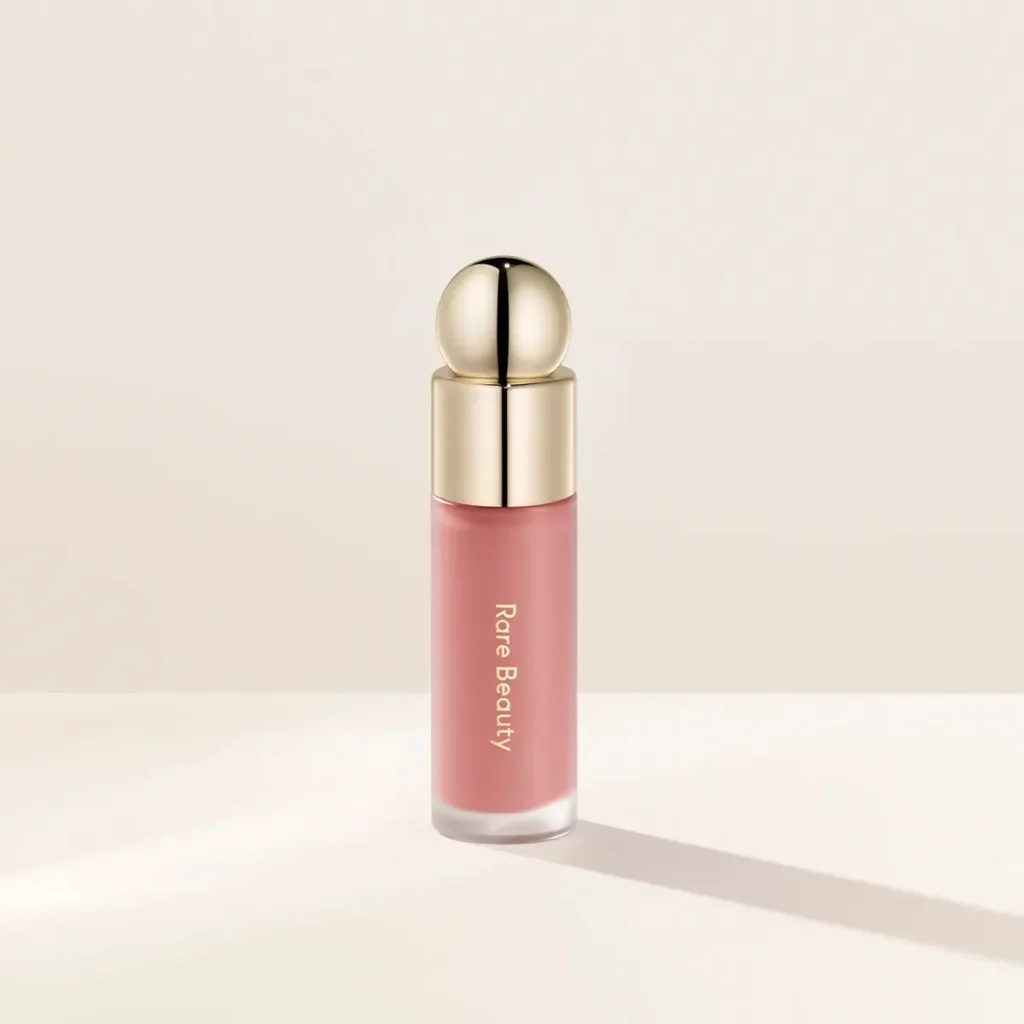
Image courtesy of Rare Beauty.
Liquid blush can easily feel overpowering indoors, but this formula blends down to a soft, skin-like finish when applied with restraint.
Muted shades tend to sit more comfortably under indoor lighting, where brighter pigments can feel more intense than intended at close range.
Hourglass Veil Translucent Setting Powder
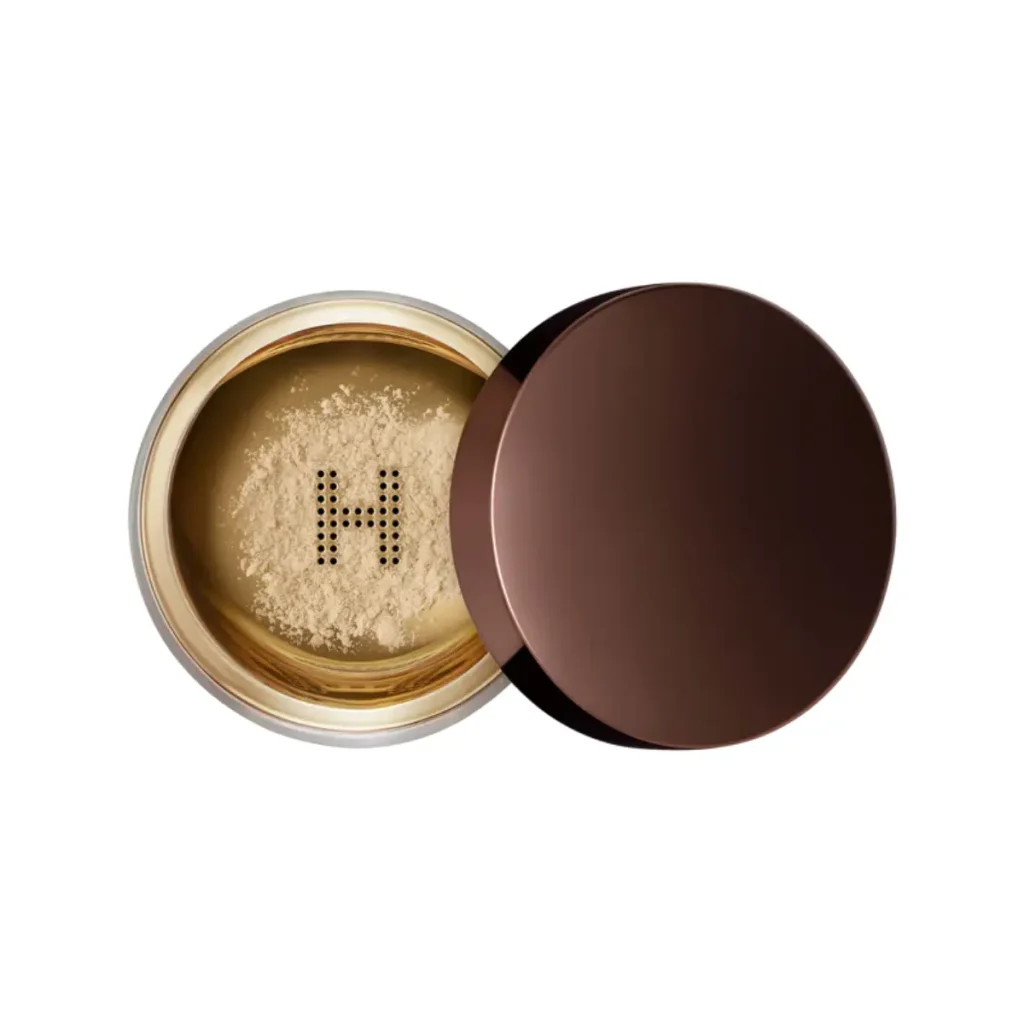
Image courtesy of Hourglass Cosmetics.
Rather than flattening the complexion, this powder gently diffuses shine while preserving dimension. It’s particularly useful in indoor spaces where overhead lighting can exaggerate uneven reflection across the face.
Because it’s truly translucent, it behaves predictably across different lighting environments without altering color balance.
Choosing Makeup With Environment in Mind
Makeup that works indoors isn’t about minimizing expression—it’s about clarity.
Once products are chosen based on how they behave in real-life lighting, makeup becomes easier to wear and easier to trust. Instead of chasing how a look appears on screen, decisions start responding to how makeup actually looks and feels throughout the day.
Sources
- Byrdie: Best Lighting to Apply Makeup
https://www.byrdie.com/best-lighting-to-apply-makeup
Written by Hana Lee — A beauty reviewer exploring K-beauty and global beauty through makeup, skincare, fragrance, fashion, and how they come together in real-life settings.
This post contains affiliate links.