
Makeup often looks flawless in photos, yet somehow feels different when you see it in the mirror.
It’s the same face, the same products, and the same routine — but the result doesn’t translate the way you expected.
This disconnect is surprisingly common, and it has very little to do with makeup skill.
In most cases, the difference comes down to environment, not technique.
We tend to judge makeup by its final result: whether it looks polished, balanced, or “right.”
What we don’t often question is why it looks that way in the first place.
That shift in perspective is something I explored earlier in
How My Beauty Standards Changed in 2025 —
the idea that understanding context matters more than chasing outcomes.
The same logic applies to makeup.
Cameras Don’t Show Reality the Way We See It
One of the biggest reasons makeup looks better in photos is simple:
we’re seeing it through a camera.
Cameras naturally flatten texture and simplify detail.
Subtle shadows are softened, contrast is adjusted, and skin appears more uniform.
What feels heavy or obvious in real life often becomes balanced once it’s translated into an image.
In other words, photos don’t show makeup as it exists —
they show makeup as it’s processed.
Lighting Does Half the Work
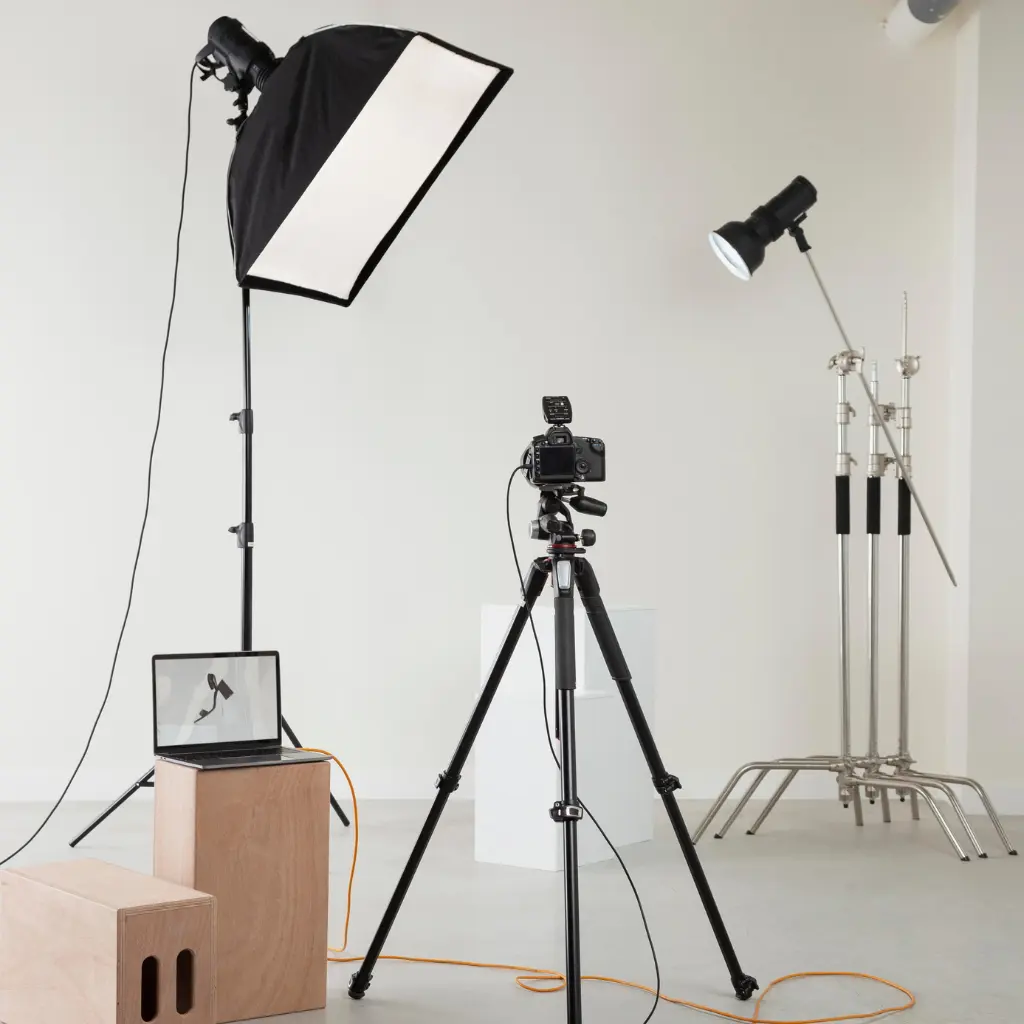
Lighting plays a much bigger role than most people realize.
In photos, makeup is usually seen under controlled conditions:
light coming from above or the front, minimal shadows, and angles designed to highlight structure.
Under these conditions, contour blends seamlessly, blush looks intentional, and skin appears smoother.
Take the same makeup and view it next to a window or under indoor lighting, and the impression changes instantly.
The makeup didn’t change — the light did.
That shift alone is often enough to make makeup feel “off” in real life.

Image courtesy of Freepik
Distance Changes Everything
Photos also introduce distance.
We usually see faces in images from farther away than we do in a mirror.
As distance increases, edges soften, colors merge, and fine details lose importance.
Makeup becomes a single, cohesive impression rather than a collection of individual elements.
In real life, we see faces up close, in motion, and from multiple angles.
That difference in perspective is why makeup that looks perfect in photos can feel unfamiliar in person.
It’s Not a Makeup Failure
When makeup doesn’t translate from photos to real life, many people blame themselves.
They assume they applied it incorrectly or chose the wrong products.
In reality, the makeup often did exactly what it was designed to do —
it worked under photographic conditions.
The problem isn’t failure.
It’s applying photo-based expectations to real-world environments.
Understanding makeup isn’t about buying more products or copying what looks good on screen.
It starts with recognizing where and how makeup is meant to be seen.
In the next article, I’ll explore how makeup can be adjusted to work better in real life —
not just on camera, but under everyday lighting and natural viewing distance.
Written by Hana Lee
A beauty reviewer who focuses on how lighting, environment, and real-life conditions shape the way makeup is perceived.