
As 2026 began, I found myself rethinking how I evaluate beauty.
Instead of trying more or copying what looks good on the surface, I started focusing on why something appears the way it does in the first place.
That shift in perspective didn’t stop at skincare or routines.
It naturally extended to makeup — especially the kind that often looks flawless on stage but strangely different in everyday life.
This way of looking at beauty grew out of a broader reflection I shared earlier,
How My Beauty Standards Changed in 2025,
where I realized that results make more sense when you understand the context behind them.
K-pop idol makeup is almost always described as “perfect.”
Yet when people try to recreate the same look in real life, the result often feels off.
That gap has very little to do with skill — and much more to do with environment.
Stage makeup is designed for a completely different setting.
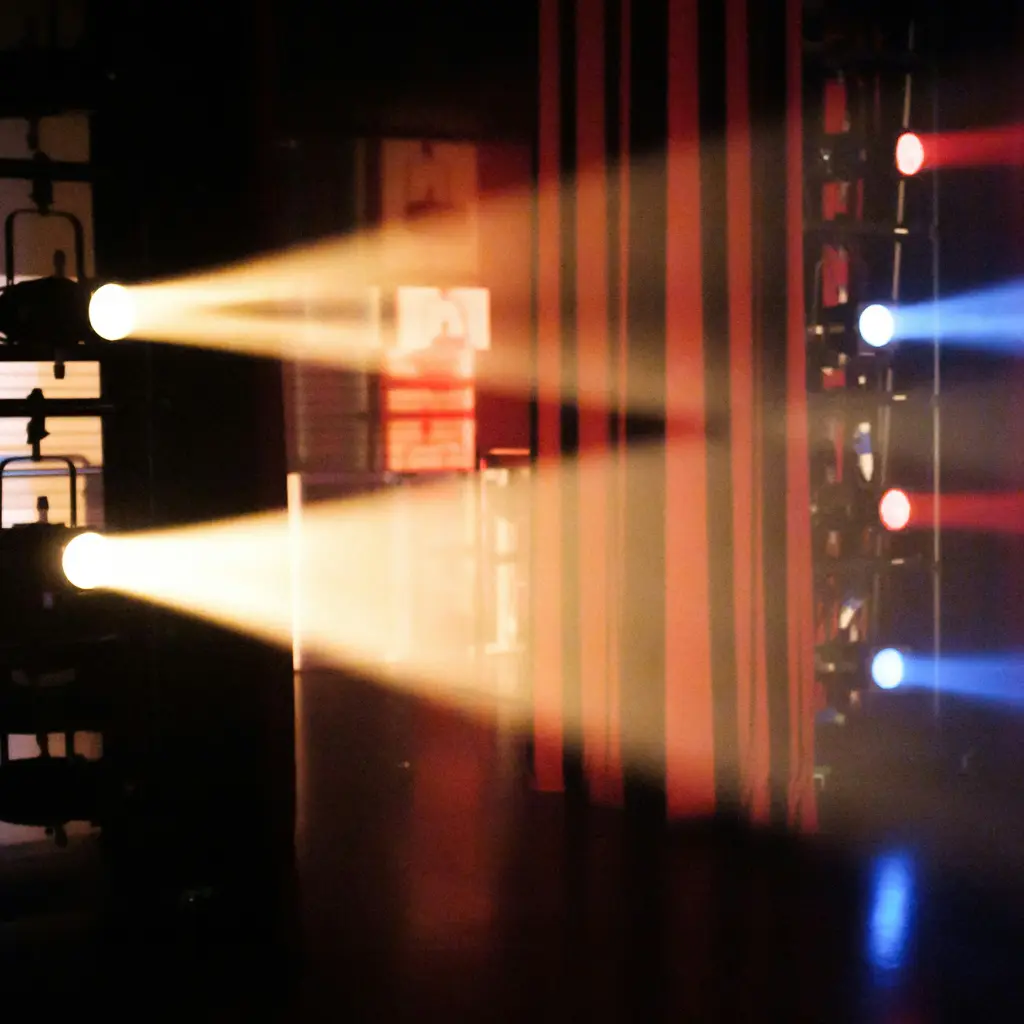
Strong lighting, long viewing distance, and camera lenses are all part of the equation.
Colors need to be more intense, contours more defined, and skin textures simplified so that everything reads clearly from far away.
In that context, what might seem “too much” up close is actually the right amount.
How Lighting and Cameras Change What We See
One reason stage makeup appears so polished is that we rarely see it with our own eyes.
We see it through cameras.
Cameras naturally smooth skin, exaggerate contrast, and unify color.
Details that would feel heavy in real life become balanced once they pass through a lens and stage lighting.
When that same makeup is viewed under natural light, at close distance, without camera correction, the illusion disappears.
The difference isn’t the makeup — it’s the conditions under which it’s seen.
Distance Matters More Than We Think
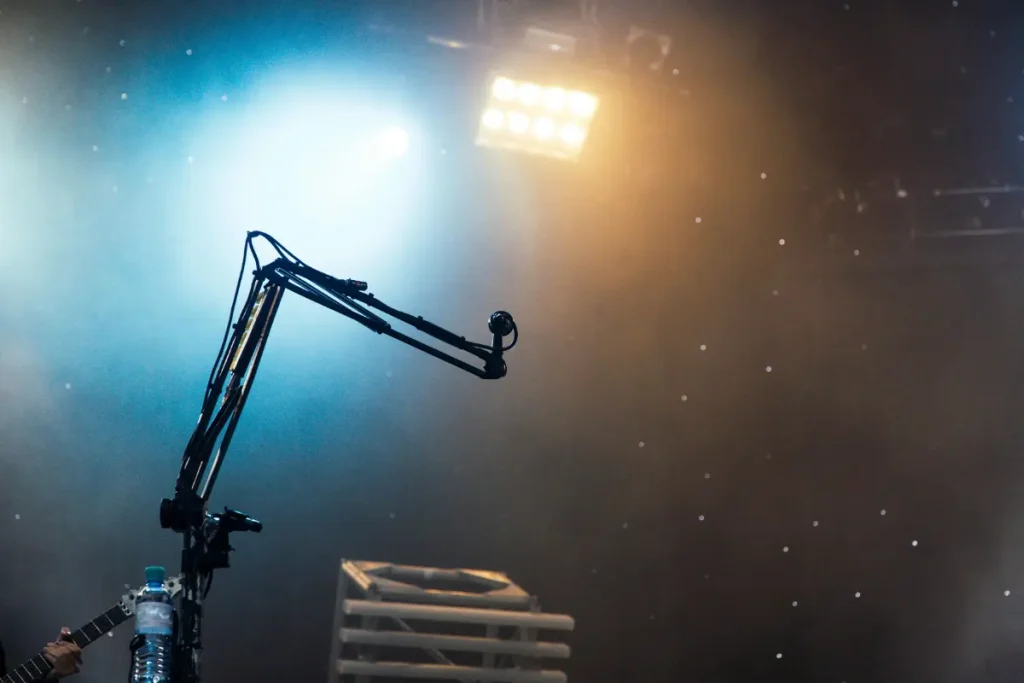
Idol makeup is not created to be examined up close.
It’s meant to be seen from an audience seat, a camera angle, or a screen.
At that distance, clarity matters more than subtlety.
Sharp lines read better than soft blending, and stronger color ensures features don’t fade under lights.
Everyday makeup works under the opposite conditions — natural light, close proximity, and constant movement.
When the same look is judged by a different set of rules, it’s no surprise the outcome feels unfamiliar.
When “It Doesn’t Work” Isn’t a Failure
If you’ve ever tried idol-style makeup and felt like it didn’t suit you, that doesn’t mean something went wrong.
It simply means the look was created for a context that doesn’t match your reality.
The problem isn’t copying — it’s copying without understanding the environment the look was designed for.
Once you separate the result from the conditions behind it, makeup becomes easier to interpret and adjust rather than blindly replicate.
This isn’t an argument against inspiration.
It’s a reminder that beauty makes the most sense when you understand the why before chasing the what.
In 2026, I’m choosing to approach makeup the same way I now approach beauty overall —
by paying attention to context first, and trends second.
This is where that approach begins.
Written by Hana Lee
A beauty reviewer who explores skincare and makeup through real-world conditions, context, and observation rather than trends or consumption.