
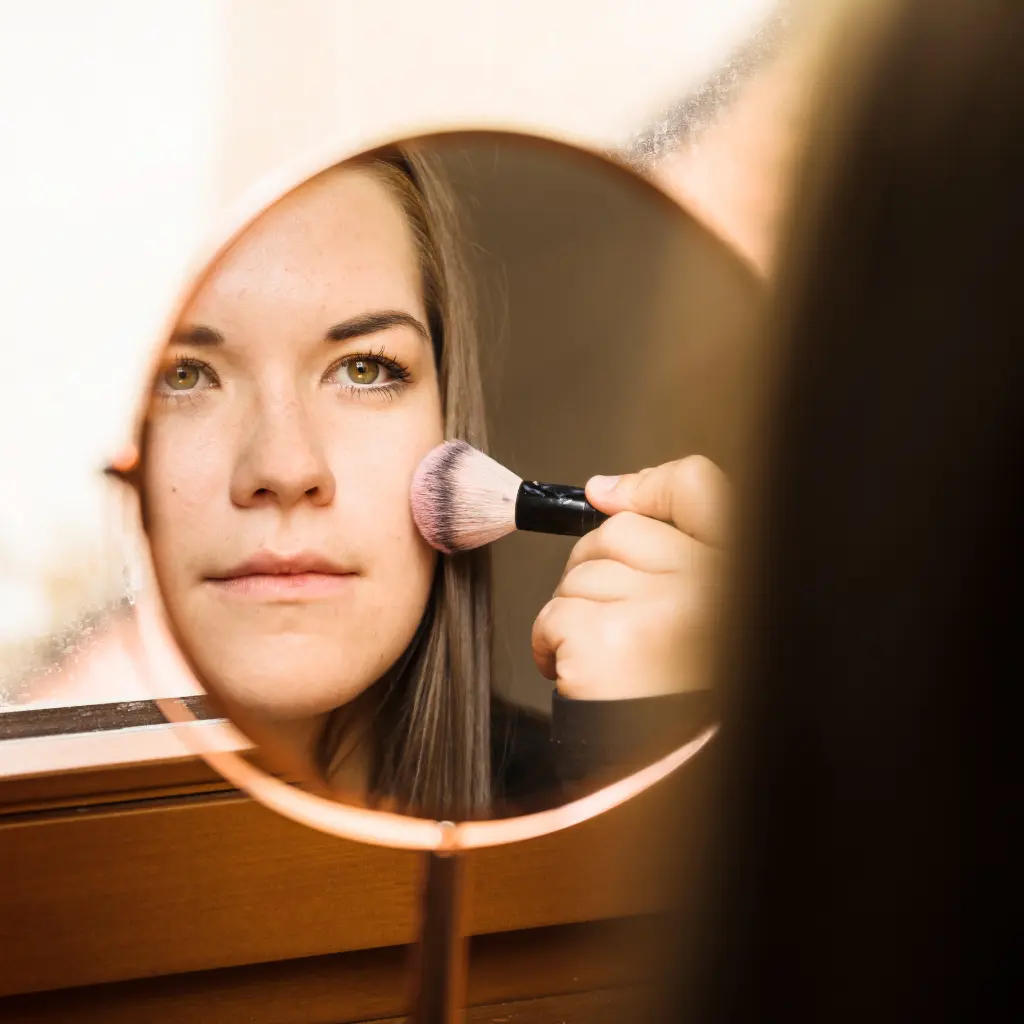
If you’ve ever tried to recreate a makeup look you loved on screen—only to feel like it looked too heavy, too shiny, or slightly off in real life—you’re not imagining things.
Most of the makeup we admire online isn’t designed for everyday conditions. It’s created for cameras, controlled lighting, and curated environments. Once you step outside of that context, the same techniques can behave very differently on your face.
This is where real-life makeup choices start to matter.
I’ve written before about why makeup looks flawless on screen but doesn’t always translate off camera, especially when it’s designed for filming environments rather than daily life.
(If you’re curious about that difference, this breakdown of why celebrity makeup works so well on screen explains the foundation of the issue.)
https://getbeauty.net/celebrity-makeup-on-screen/
So instead of asking “What product should I buy?”, the more useful question becomes:
How should makeup be chosen when it’s meant to be seen in real life?
Why Screen Makeup Doesn’t Behave the Same Way in Reality
On screen, makeup benefits from conditions most of us never experience day to day:
- Soft, diffused lighting
- Fixed camera distance
- Controlled angles and exposure
K-dramas are a great example of this. Their makeup styles are carefully calibrated for gentle lighting and close-up shots, which smooth texture and soften color on camera. In real-life indoor lighting, however, those same finishes and intensities can suddenly feel too noticeable or unbalanced.
That contrast is explored in more detail here:
https://getbeauty.net/k-drama-makeup-soft-lighting/
Understanding this difference isn’t about criticizing screen makeup—it’s about recognizing that it was designed for a different environment.
The First Real-Life Rule: Texture Matters More Than Products
One of the biggest differences between camera makeup and everyday makeup comes down to texture.
Makeup formulated or applied for filming often relies on:
- Higher reflectivity
- Creamy or glossy finishes
- Denser layers that read well on camera
In everyday lighting, especially indoors, those same textures can emphasize shine, movement, or unevenness in ways cameras usually hide.
When choosing makeup for real life, texture should be evaluated based on:
- How it reacts to mixed indoor lighting
- Whether it stays balanced as your face moves
- How visible it becomes at normal conversation distance
This applies across categories—base makeup, lips, and even eye products.
Coverage and Color: Why Less Often Looks More Natural
Cameras absorb color and flatten contrast. That’s why makeup designed for filming often appears more pigmented or structured than what feels comfortable in person.
In real life:
- Medium coverage often reads more skin-like than full coverage
- Strong colors can dominate your features faster
- Multiple bold elements compete rather than complement
A useful guideline is simple: let one area lead.
When everything is emphasized at once, the result often feels heavier in person than it did on screen.
Finish and Lighting Interaction
Finish is where many people feel the biggest disconnect.
A luminous or glossy finish may look effortless on camera, especially under soft lighting, but in everyday settings it can:
- Reflect overhead lights unevenly
- Draw attention to texture rather than smooth it
- Change appearance throughout the day
Real-life lighting is unpredictable. Makeup that works well under those conditions tends to prioritize balance over drama.
Choosing Makeup with Intent, Not Imitation
The biggest mistake people make when recreating screen makeup isn’t using the “wrong” product—it’s skipping the step of adapting the look to a different environment.
Once you understand:
- how texture behaves off camera
- why coverage reads differently in person
- how lighting changes finish
choosing makeup becomes much more intentional—and much less frustrating.
In the next post, I’ll break down the types of makeup products that tend to work better in everyday, off-camera settings, using these principles as a guide rather than copying screen looks directly.
Written by Hana Lee — A beauty reviewer exploring K-beauty and global beauty through makeup, skincare, fragrance, fashion, and how they come together in real-life settings.